When most Raleigh homeowners think about a roof replacement, they picture shingles.
They think about color, style, warranty, and curb appeal. What they don’t think about — until the project is underway — is the wood structure underneath those shingles: the roof decking.
At Raleigh Roofer, one of the most common surprises during a roof replacement is discovering areas of decking that need to be replaced. And when that conversation happens, homeowners naturally ask the same question:
“Is that really necessary?”
The short answer: sometimes, yes. But not always.
Here’s how roof decking works, why replacement is sometimes required, and how Raleigh Roofer makes that decision carefully and honestly.
What Is Roof Decking?
Roof decking (also called sheathing) is the layer of plywood or OSB boards attached to your home’s framing. It creates the solid surface that shingles and underlayment are installed on.
In most Raleigh homes built in the 1980s and 1990s, decking is typically:
- 7/16” OSB
- 1/2” plywood
- Occasionally older plank-style decking in even earlier homes
The decking is structural. It supports the entire roofing system and transfers loads to the trusses or rafters below.
When it’s solid, your shingles perform properly. When it’s compromised, problems follow.
Why Decking Issues Are Often Hidden
You cannot properly evaluate decking from the surface.
Even during a standard roof inspection, we can identify warning signs — soft spots, sagging lines, recurring leaks — but full confirmation typically happens during tear-off.
That’s because shingles and underlayment conceal what’s underneath.
During a full roof replacement, once the old materials are removed, Raleigh Roofer inspects the exposed decking thoroughly before moving forward.
This is where decisions are made.
The Most Common Reasons Decking Needs Replacement
Not all decking problems are dramatic. In fact, most are subtle.
Here are the most common reasons we recommend partial decking replacement in Raleigh homes.
1. Long-Term Minor Leaks
Even small leaks — especially around flashing or pipe penetrations — can slowly saturate decking over years.
By the time we remove shingles, the decking may show:
- Softness under pressure
- Delamination (layers separating)
- Dark moisture staining
- Nail pull-through
These areas are structurally weaker and should not support a new roofing system.
If you’ve read our article on how we diagnose roof leaks, you know that leaks don’t always show obvious interior symptoms immediately.
2. Poor Ventilation and Moisture Buildup
Raleigh’s humidity plays a major role in attic conditions.
In homes with poor ventilation, warm moist air becomes trapped in the attic. Over time, that moisture can:
- Warp decking
- Cause swelling
- Weaken structural integrity
This type of damage is often found near ridge lines or along eaves where airflow was insufficient.
When Raleigh Roofer evaluates decking, we’re also evaluating whether ventilation corrections are necessary to prevent the problem from returning.
3. Improper Nailing from Previous Installations
Not all roofing installations are equal.
We sometimes find decking that has been compromised due to:
- Overdriven nails
- Excessive nail penetration
- Multiple roofing layers
- Inconsistent nailing patterns
In these cases, the decking may not provide a stable base for the new system.
As an experienced Raleigh roofing company, we view decking as part of the structural system — not just a surface layer.
4. Age and Natural Degradation
Homes built in the 1990s are now over 30 years old.
Even if the roof was replaced once before, the decking underneath may still be original. Decades of expansion, contraction, humidity, and fastener movement take their toll.
While not every older deck needs replacement, localized aging is common.
How We Decide If Decking Should Be Replaced
This is where experience matters.
Raleigh Roofer does not replace decking automatically. Nor do we ignore compromised sections.
We evaluate decking using three key criteria:
Structural Integrity
If the wood flexes excessively, feels spongy, or fails a pressure test, replacement is necessary.
Fastener Holding Power
Shingles rely on nails anchoring securely into decking. If the wood cannot hold fasteners properly, wind resistance is compromised.
Moisture Content
If the wood is visibly deteriorated or shows signs of long-term saturation, it should not be covered back up.
We replace only the sections that fail these standards — not entire roofs unnecessarily.
Why You Should Never Install New Shingles Over Compromised Decking
Skipping decking replacement when it’s needed leads to:
- Uneven shingle lines
- Reduced wind resistance
- Premature shingle failure
- Voided manufacturer warranties
- Continued moisture problems
Decking is the foundation of the roofing system. Installing new materials over weak substrate is like installing tile over cracked subflooring.
It may look fine temporarily, but it won’t perform long-term.
How Common Is Decking Replacement in Raleigh?
In our experience, partial decking replacement is common — full decking replacement is not.
On many homes in North Raleigh, Cary, and Wake Forest, we typically replace:
- 1–5 sheets near valleys
- Sections around chimneys
- Areas near long-term leak points
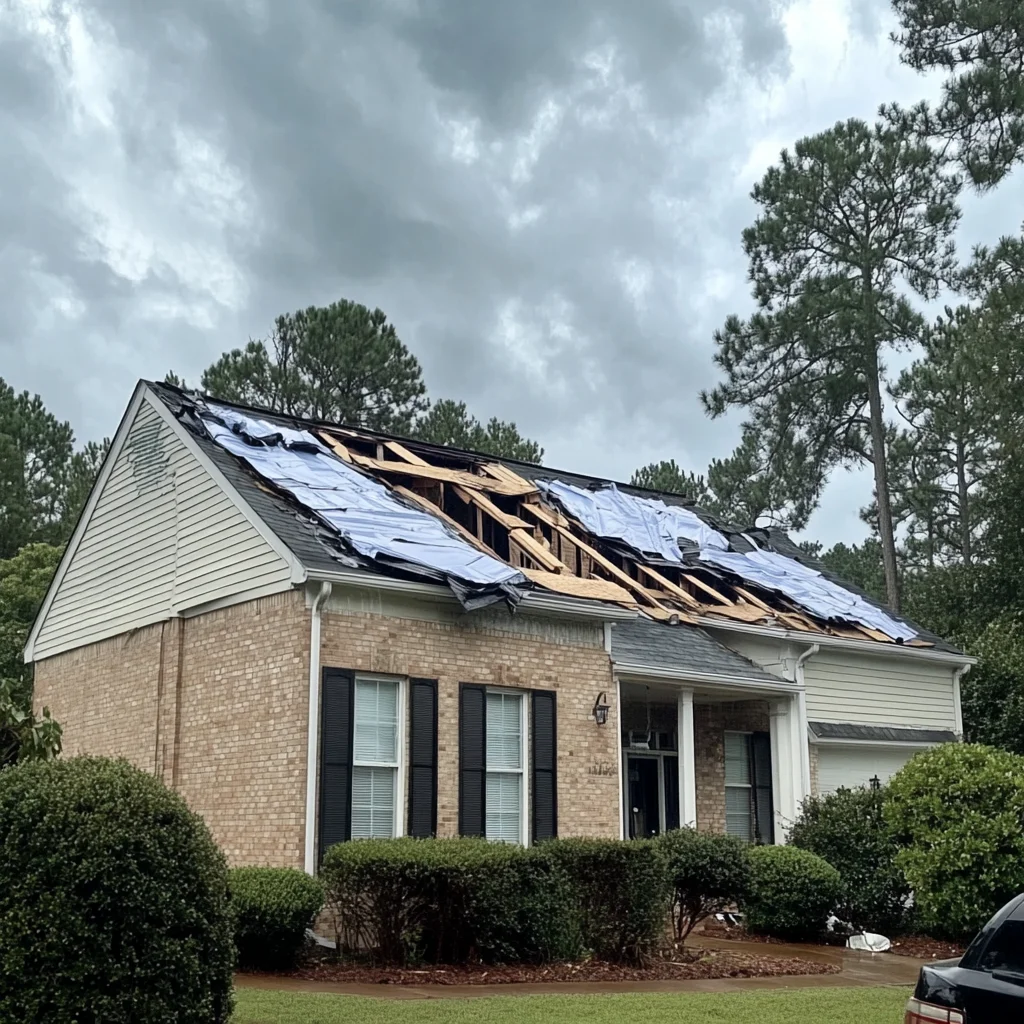
Widespread decking replacement usually indicates:
- Severe neglect
- Major storm damage
- Multiple previous poor installations
If we ever encounter that level of damage, we document it clearly and explain why it’s necessary before proceeding.
Transparency During the Process
One concern homeowners have is surprise costs.
Raleigh Roofer addresses this by:
- Discussing decking contingencies upfront
- Providing per-sheet pricing clarity
- Showing photographic documentation
- Explaining why replacement is required
We believe homeowners should understand the condition of their home — not just receive a bill.
If you ever have questions about a roofing project, you can always reach us through our contact page for clarification.
The Bigger Picture: Decking and Long-Term Value
Replacing compromised decking does more than support shingles.
It:
- Protects structural framing
- Prevents future sagging
- Supports proper ventilation upgrades
- Ensures warranty compliance
- Preserves home value
If you’re considering selling in the future, structural integrity plays a major role in inspection outcomes. Our article on how a roof impacts home value explores that relationship in more detail.
Decking integrity directly affects buyer confidence.
Why Experience Matters in This Decision
An inexperienced contractor may:
- Replace decking unnecessarily to increase profit
- Or ignore compromised decking to keep the price low
Neither approach protects the homeowner.
Raleigh Roofer has been serving the Triangle since the 1990s. We’ve replaced roofs on thousands of homes — many of them now on their second or third roof cycle.
That experience allows us to recognize the difference between cosmetic aging and structural compromise.
Decking replacement is not about upselling. It’s about structural responsibility.
Final Thoughts: The Foundation Matters
When homeowners invest in a roof replacement, they expect long-term protection.
That protection begins with what’s underneath the shingles.
Roof decking replacement is sometimes necessary — not always, but when it is, it should be addressed properly and transparently.
At Raleigh Roofer, we don’t make that decision casually. We evaluate structural integrity, moisture impact, and long-term performance before recommending replacement.
If your roof is approaching replacement age and you’re concerned about what might be hiding underneath, the first step is a professional inspection.
From there, we’ll walk you through the condition of your roofing system clearly and honestly — because a strong roof starts with a solid foundation.