Raleigh’s older neighborhoods—Five Points, Mordecai, University Park—are known for their character, charm, and historic appeal. But with older homes come older roofing systems, and many homeowners in these areas don’t realize how many unique roofing issues exist in these communities.
From aging materials to outdated building methods, hidden moisture problems, and past DIY fixes, older Raleigh neighborhoods have roofing red flags that newer construction simply doesn’t face.
This guide covers the specific roofing warning signs to watch for if you live in or service homes in these iconic areas.
1. Aging Roof Materials Beyond Their Intended Lifespan
Many homes in Five Points and University Park were built in the 1920s–1960s. Even with replacements over the years, it’s common to see roof layers or materials far past their expected lifespan.
Common red flags:
- Shingles older than 20–25 years
- Wood shingles hidden under asphalt shingles
- Multiple layers of roofing materials (illegal today)
- Brittle, cracking shingles
- Granule loss exposing black substrate
Older homes often had roofs added on top of existing ones, a common practice decades ago. Today, this creates ventilation issues, extra weight on rafters, and moisture traps.
2. Historic Roof Lines with Complicated Angles
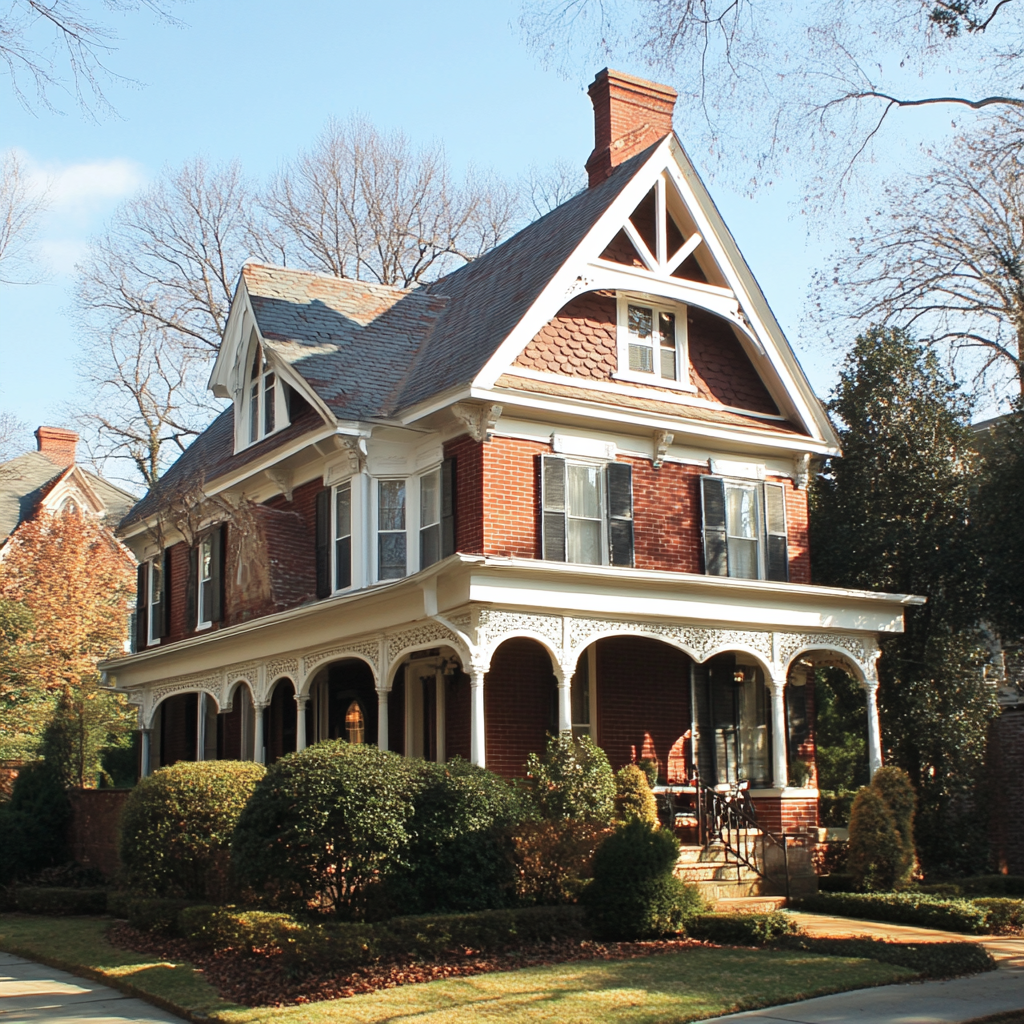
Homes in Mordecai and Five Points often feature:
- Dormers
- Steep pitches
- Multiple roof planes
- Architectural details
- Decorative trim
Beautiful? Yes. Easy to roof? No.
Complicated rooflines create areas where water can pool, leak, or overflow. The more angles and intersections, the more important proper flashing and installation become.
Older homes often show signs of:
- Flashing that has slipped or rusted
- Sealant where metal should be
- Water stains around interior walls and chimneys
If a home has had multiple remodels over the decades, the roofline may include mismatched additions—each with its own issues.
3. Original or Improper Flashing Around Chimneys and Walls
Many Raleigh historic homes have large brick chimneys or wide roof-to-wall transitions. These require step flashing + counter flashing systems.
But older homes often have:
- Mortar holding flashing in place (a 1950s–70s shortcut)
- Tar or roofing cement instead of metal
- Rusted galvanized flashing
- Loose flashing from brick movement
- No counter flashing at all
These issues lead to slow, persistent leaks that homeowners often mistake for HVAC or plumbing problems.
4. Ventilation Problems Caused by Older Attic Designs
Homes from the early to mid-20th century were not built with modern ventilation standards. Attic airflow may be minimal or nonexistent.
Red flags include:
- No soffit vents
- Small or decorative gable vents
- No ridge vents (or too few)
- Previous roofing layers trapping moisture
Poor ventilation causes:
- Mold on attic decking
- Sagging plywood
- High energy bills in summer
- Shingle failure well before its time
Ventilation retrofitting is often necessary in historic neighborhoods.
5. Old or Damaged Roof Decking
Decades-old homes often have shiplap, plank decking, or aging plywood. Over time, these materials can warp, rot, or separate.
Signs of compromised decking:
- Soft spots when walking the roof
- Dips or uneven lines in shingles
- Nails that won’t hold (nail pops)
- Attic humidity and water stains
Older decking may not meet today’s structural standards—an issue easily missed if a roofer doesn’t remove all layers during a replacement.
6. Historical Additions Creating Roof Weak Points
Many older homes in Five Points and University Park have been remodeled multiple times over the decades. Additions often create roof issues such as:
- Low-slope connections meeting steep-slope roofs
- Multiple layers of mismatched materials
- Improper transitions between old and new sections
- Decking patched together unevenly
These patchwork connections become hotspots for leaks.
7. Outdated or Failing Gutters and Downspouts
Old homes often have original or outdated gutter systems, including:
- Undersized 4-inch gutters
- Rusted metal gutters
- Loose or sagging sections
- Poor downspout placement
- Clogs from mature trees
Improper drainage leads to:
- Roof edge rot
- Fascia damage
- Ice dams even in mild winters
- Water pooling along foundations
Neighborhoods like Five Points with tall trees see especially heavy debris loads.
8. Skylights From Older Remodels
Skylights installed decades ago often cause problems today. Brands, materials, and installation methods have improved significantly. Old skylights frequently show:
- Failing seals
- Fogging or condensation between panes
- Rusted frames
- Leaks around flashing
Replacing skylights during roof replacement is often necessary.
9. Moisture Issues Caused by Mature Trees
Older Raleigh neighborhoods have stunning mature tree canopies—but this creates roofing challenges:
- Leaves accumulate and trap moisture
- Branches scrape shingles in storms
- Moss growth forms under shade
- Gutters fill quickly
- Debris blocks valleys and dormer intersections
Roofs in these areas often age faster simply because they stay damp longer and receive less direct sunlight.
10. Previous DIY Repairs from the Home’s Long History
Many older Raleigh homes have been lived in by multiple owners—and not all of them hired professionals.
Common DIY roofing mistakes include:
- Overuse of roofing cement
- Wrong shingle type
- Poorly installed vent boots
- Misaligned shingles
- Patches instead of proper repairs
These “band-aid” fixes usually hide bigger structural issues.
11. Signs of Water Intrusion Specific to Older Homes
Because older homes have plaster walls, original framing, and different construction materials, water damage often appears differently.
Look for:
- Bubbling or cracked paint near ceilings
- Musty smells in closets along exterior walls
- Water stains in upstairs hallways
- Hairline cracks that correspond to roofline changes
Water can travel far from the source in an older home.
12. Aging Vent Boots and Penetrations
Older homes often have aging or brittle vent boots—especially those installed 15–25 years ago.
Red flags include:
- Cracks at the base
- Loose collars
- Sun-damaged rubber rings
- Gaps around pipes
Because these are small, homeowners often overlook them, but they are one of the most common sources of attic leaks in historic neighborhoods.
13. Low-Slope Roof Sections (Common in Additions)
Many older Raleigh homes have rear additions with low-slope or flat roof sections that were not built with modern materials.
Problems include:
- Ponding water
- Failing rolled roofing
- Old modified bitumen layers
- Poor transitions to steep-slope shingles
These areas need updated materials like TPO, PVC, or modern modified bitumen for long-term performance.
Final Thoughts
Raleigh’s older neighborhoods are full of charm—but also full of unique roofing challenges. Understanding the red flags in Five Points, Mordecai, and University Park helps homeowners catch issues early, protect their investment, and plan for future maintenance or replacement wisely.