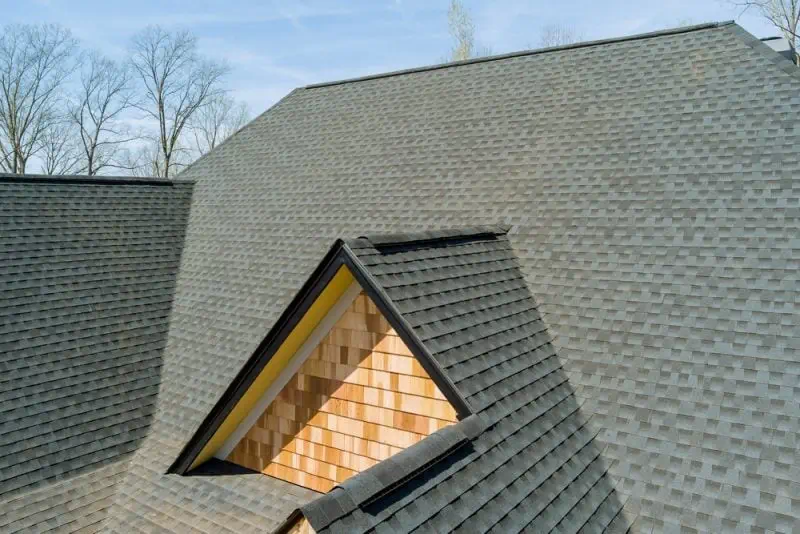
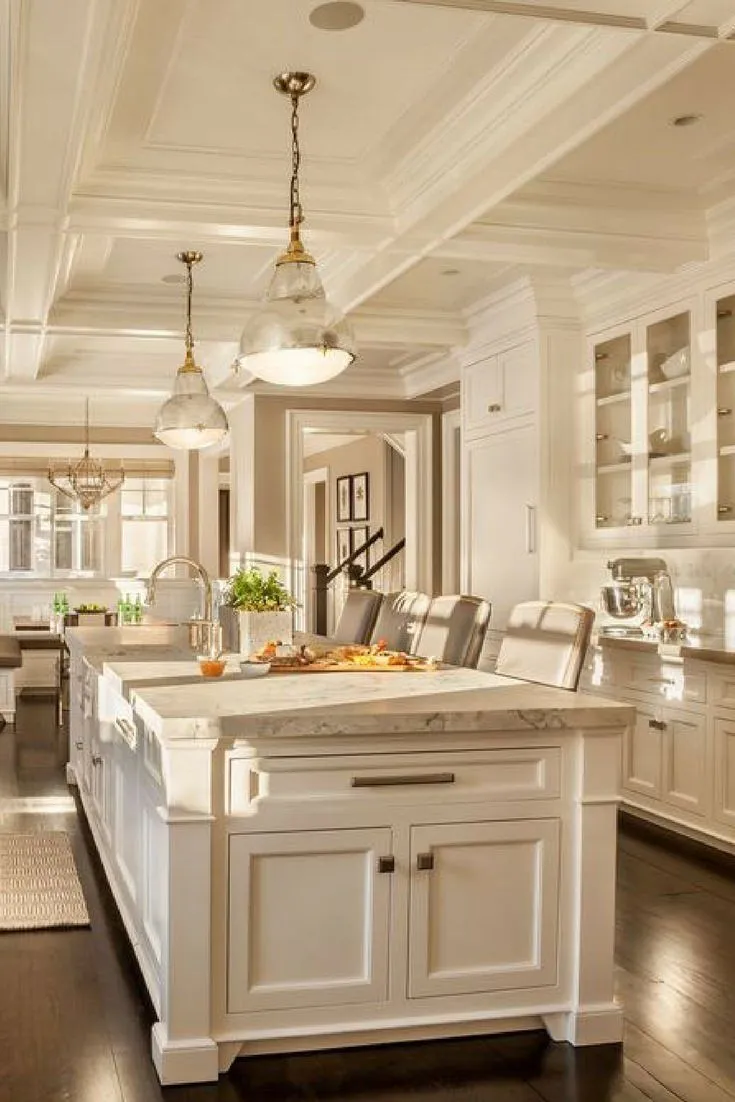
If you’re planning a home remodel in Raleigh, one of the most common (and confusing) questions homeowners ask is: Do I need a permit for this? The answer isn’t always straightforward. Some projects require multiple permits and inspections, while others can be completed without any paperwork at all.
Understanding Raleigh’s remodeling permit requirements is critical—not just to avoid fines or delays, but to protect your home’s value, safety, and resale potential. As a local Raleigh roofing and remodeling company with decades of experience, we’ve helped hundreds of homeowners navigate this exact process. In this guide, we’ll break down when permits are required, when they aren’t, and how working with a professional contractor protects you from costly mistakes.
Why Remodeling Permits Matter More Than You Think
Permits exist for a reason. They ensure that remodeling work meets local building codes, safety standards, and zoning laws. Skipping permits may seem like a shortcut, but it often leads to long-term problems.
Unpermitted work can:
- Void insurance claims
- Create safety hazards
- Delay or derail a future home sale
- Trigger fines or forced tear-outs
- Complicate refinancing or appraisals
In Raleigh, inspections tied to permits help confirm that work is structurally sound, properly installed, and compliant with North Carolina State Building Code requirements.
Who Actually Pulls the Permit in Raleigh?
In most cases, the licensed contractor should pull the permit, not the homeowner. This matters because:
- The contractor becomes legally responsible for code compliance
- Inspections are scheduled correctly and on time
- Liability is properly assigned
Homeowners can pull permits themselves, but doing so means you assume full responsibility for code compliance. Reputable Raleigh remodelers will always handle permits on your behalf and include them as part of the project scope.
Remodeling Projects That DO Require Permits in Raleigh
Structural Changes
Any remodel that affects your home’s structure will require a permit. This includes:
- Removing or altering load-bearing walls
- Adding or expanding rooms
- Converting attics, garages, or basements into living space
- Installing beams or modifying floor systems
These projects require detailed plans and inspections to ensure structural integrity.
Electrical Work
Permits are required for most electrical projects, including:
- New circuits or panel upgrades
- Rewiring rooms
- Installing new outlets, lighting, or dedicated appliance lines
Even minor electrical work can pose serious fire risks if done incorrectly, which is why Raleigh requires licensed electricians and inspections.
Plumbing Work
You’ll need a permit for:
- Moving plumbing lines
- Installing new bathrooms or kitchens
- Water heater replacements (tank or tankless)
- Sewer or drain modifications
Plumbing permits help ensure compliance with health and sanitation codes.
Roofing Projects (Sometimes)
Roof replacements in Raleigh often require permits, especially when:
- Structural decking is repaired or replaced
- The roof type or material changes
- The project exceeds one roofing square
A professional Raleigh roofer will know when a permit is required and ensure proper inspections are completed.
Additions, Decks, and Porches
Permits are required for:
- Home additions
- Attached or elevated decks
- Screened-in porches
- Sunrooms
These projects involve structural, electrical, and zoning considerations.
Remodeling Projects That Typically Don’t Require Permits
Not every upgrade triggers Raleigh’s permitting process. Cosmetic improvements generally don’t require permits when no systems are altered.
Common examples include:
- Painting (interior or exterior)
- New flooring (hardwood, tile, carpet, LVP)
- Cabinet replacement (without plumbing changes)
- Countertop replacement
- Fixture swaps (lighting, faucets, toilets — as long as plumbing/electrical stays the same)
- Siding repairs (not structural)
- Minor drywall repairs
However, if cosmetic work expands into hidden electrical, plumbing, or structural changes, a permit may suddenly be required.
Zoning Rules vs. Building Permits: What’s the Difference?
Many homeowners confuse zoning approvals with building permits, but they serve different purposes.
- Zoning rules regulate where and how structures are placed on a property (setbacks, height, lot coverage).
- Building permits regulate how the work is performed.
In Raleigh, additions and exterior changes often require both zoning approval and building permits. A knowledgeable local contractor will verify zoning compliance before plans are submitted.
Historic Neighborhoods: Extra Rules Apply
If your home is located in a Raleigh historic district—such as Five Points, Mordecai, Oakwood, or Boylan Heights—additional approvals may be required.
Historic overlay districts often require:
- Design review by the Raleigh Historic Development Commission
- Approval for exterior changes (windows, doors, roofing, siding)
- Material and color restrictions
Failing to follow historic guidelines can result in forced reversals and significant fines.
The Inspection Process: What to Expect
Once a permit is issued, Raleigh typically requires inspections at key stages, such as:
- Framing
- Electrical rough-in
- Plumbing rough-in
- Insulation
- Final inspection
A professional contractor schedules these inspections and addresses any corrections. This process protects homeowners by ensuring work meets safety and quality standards.
What Happens If You Skip a Permit?
Skipping required permits can come back to haunt you. In Raleigh, unpermitted work may be discovered:
- During a home sale
- During an insurance claim
- After a neighbor complaint
- Through city audits or inspections
Consequences can include fines, delayed closings, required demolition, or denied insurance coverage. In many cases, correcting unpermitted work costs more than doing it right the first time.
How a Trusted Raleigh Remodeler Protects You
Working with an experienced local contractor does more than just improve craftsmanship—it protects you legally and financially.
A trusted Raleigh remodeling and roofing company will:
- Determine exactly which permits are required
- Pull permits under their license
- Coordinate inspections
- Ensure code compliance
- Maintain proper documentation for resale
This is a major reason why hiring licensed professionals matters, especially for roofing, remodeling, and structural work.
Final Thoughts: When in Doubt, Ask a Pro
Remodeling permits in Raleigh don’t have to be intimidating—but ignoring them can be expensive. The safest approach is to consult a professional Raleigh roofer or remodeling contractor early in the planning process.
If you’re considering a roofing or remodeling project and aren’t sure whether permits are required, working with a knowledgeable local expert ensures your project is done legally, safely, and correctly from day one.
When it comes to your home, shortcuts aren’t worth the risk. Proper permits, professional installation, and local expertise make all the difference.