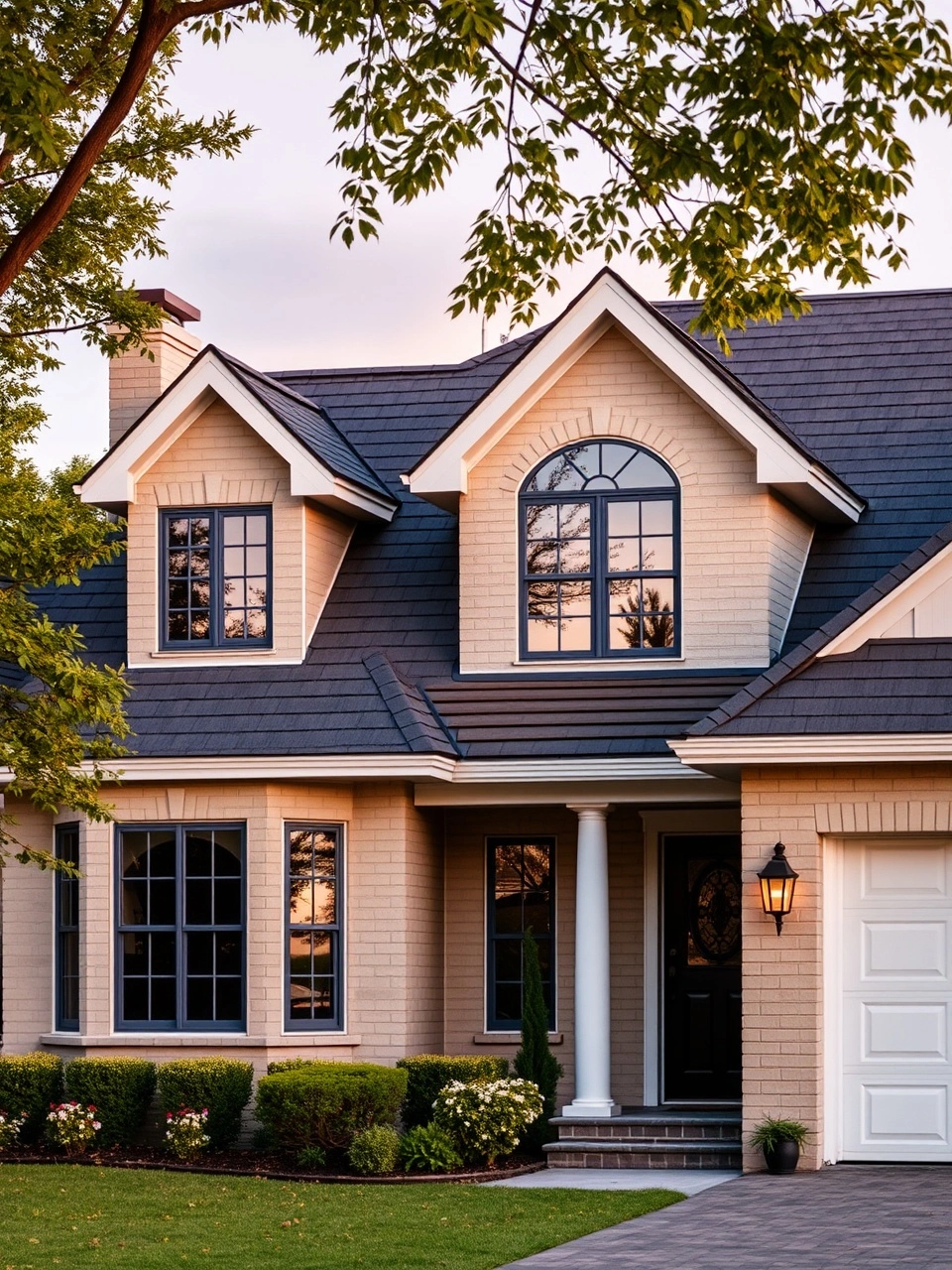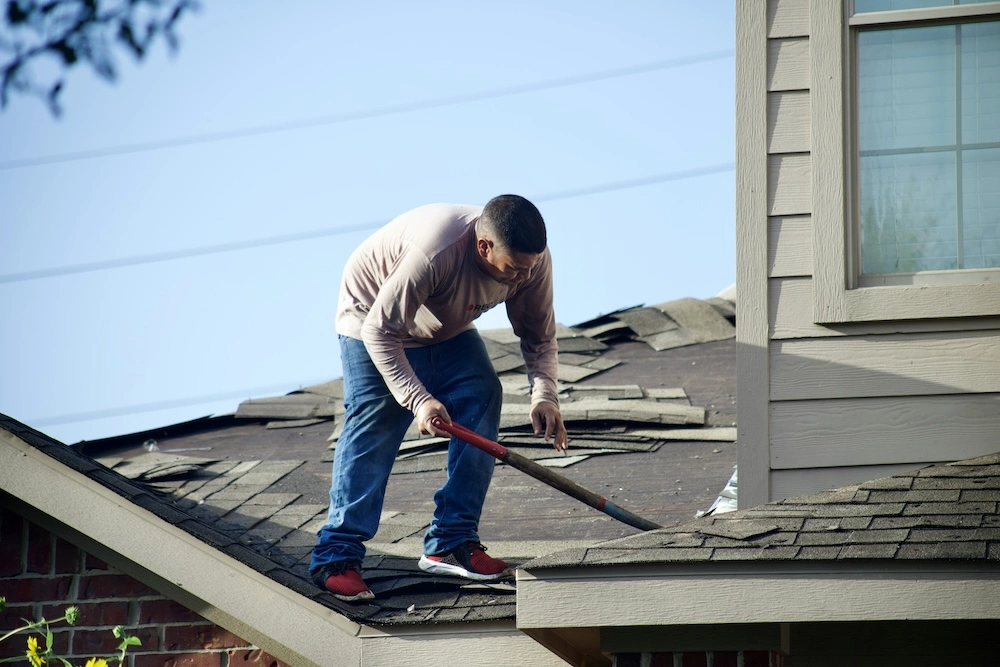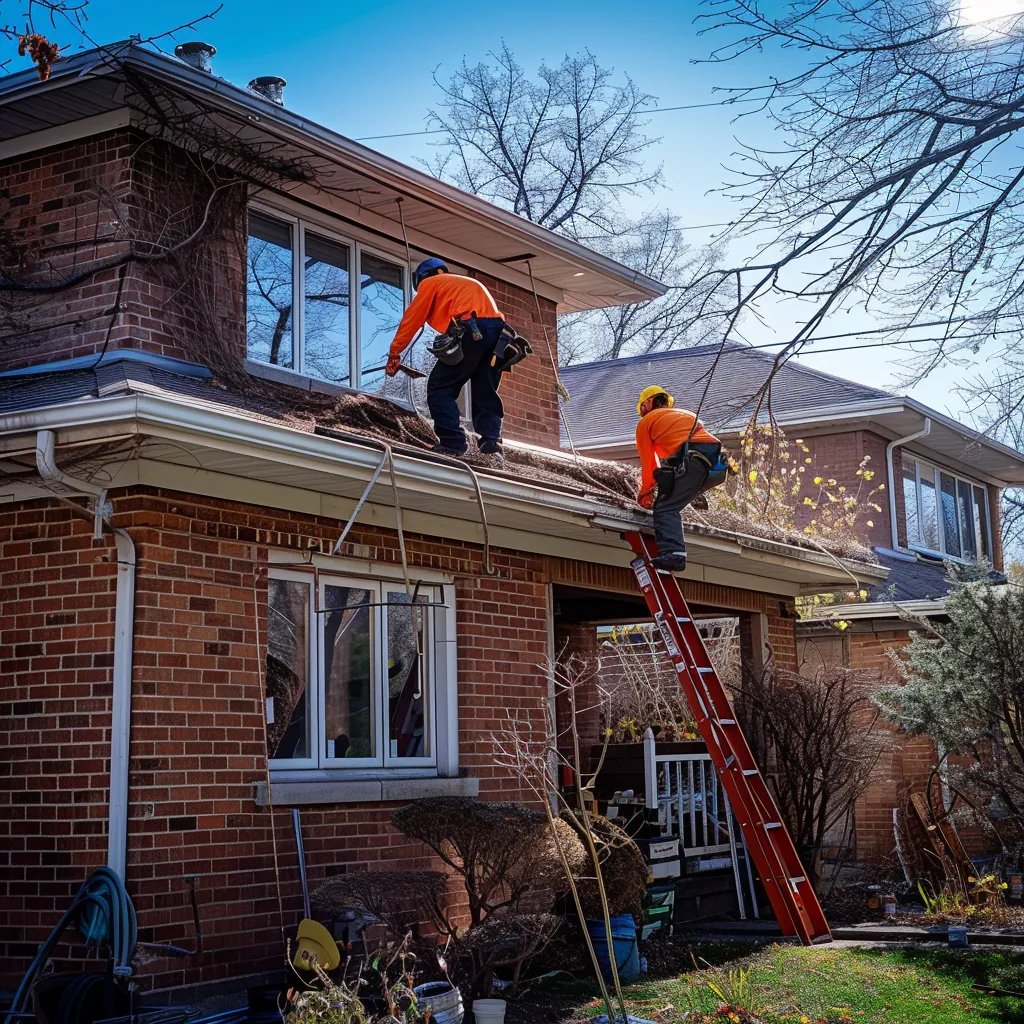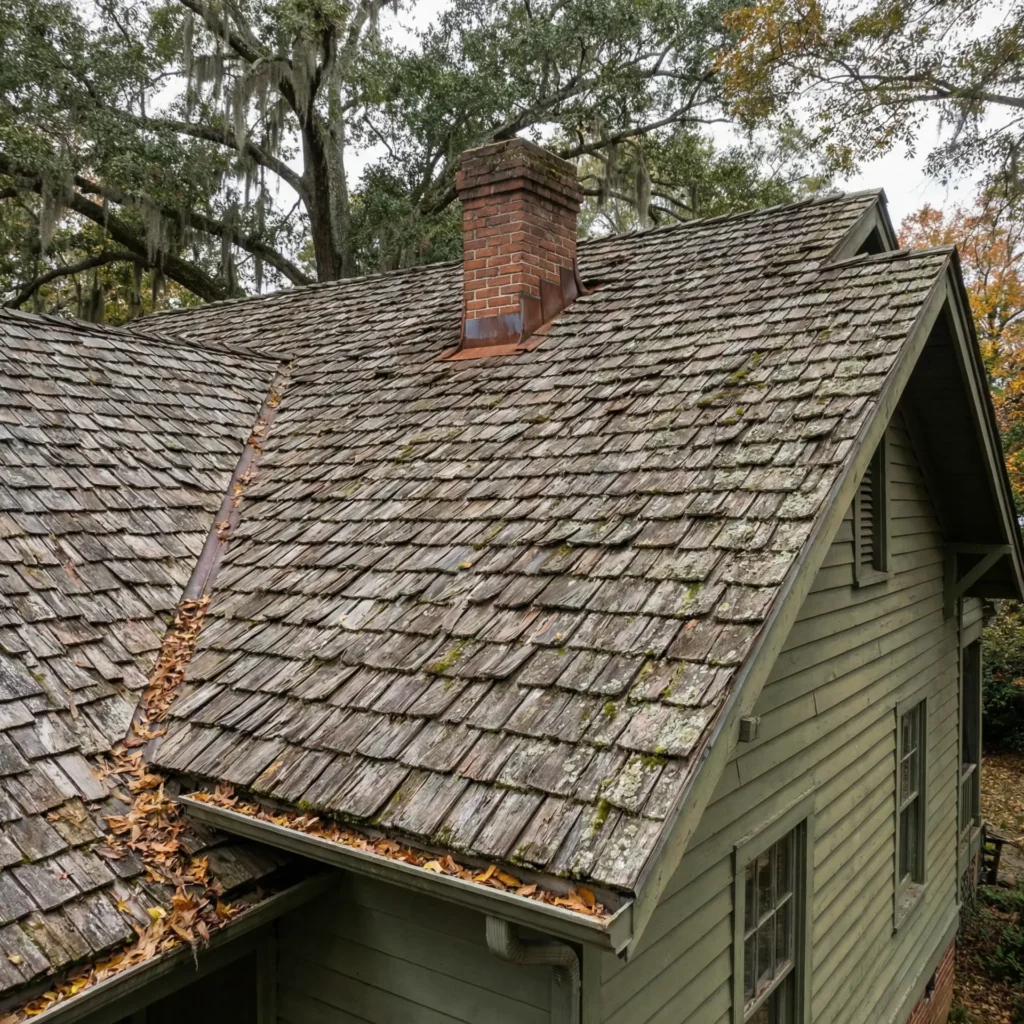
Drive through North Raleigh, Cary, or parts of Wake Forest and you’ll see it immediately — entire neighborhoods built in the late 1980s and throughout the 1990s. These homes were well constructed, often with solid framing and desirable layouts, and many are now reaching a critical milestone: their second or even third roof cycle.
If you own a 1990s home in the Triangle, replacing your roof today is not the same as when it was originally installed.
Materials have changed. Codes have evolved. Ventilation standards are different. Installation practices are more advanced. And expectations for performance are higher.
At Raleigh Roofer, we’ve been working on homes here since the 1990s. We’ve replaced thousands of roofs originally installed during that era, and we’ve seen firsthand what’s different — and what homeowners don’t always realize.
The Shingles Themselves Are Different
In the 1990s, three-tab shingles were common across Raleigh neighborhoods. They were affordable and functional, but they lacked the durability and wind resistance of today’s architectural shingles.
Modern architectural shingles offer:
- Thicker construction
- Improved wind ratings
- Better algae resistance
- More dimensional appearance
- Longer manufacturer warranties
When Raleigh Roofer performs a roof replacement on a 1990s home, the upgrade in material quality alone is noticeable — both visually and structurally.
The technology behind asphalt shingles has improved dramatically over the past three decades. Today’s products are engineered for better UV resistance, improved granule adhesion, and more consistent manufacturing standards.
Underlayment Has Evolved
In the 1990s, felt paper (often 15 lb. felt) was standard. It worked, but it was susceptible to wrinkling, tearing, and moisture saturation.
Today, synthetic underlayments are common. These products are:
- More tear-resistant
- Lighter and easier to install
- More water-resistant
- More durable during installation
If your original roof was installed in the 1990s, the underlayment system beneath it likely doesn’t meet today’s best practices. Upgrading this layer significantly improves secondary moisture protection.
Ice & Water Shield Is Now More Common
In many 1990s installations, ice and water barrier membranes were either minimal or nonexistent in this region.
While Raleigh is not a heavy snow climate, modern building science recognizes the importance of leak-prone areas such as:
- Valleys
- Eaves
- Chimneys
- Skylights
- Roof-to-wall intersections
During a modern roof inspection, Raleigh Roofer frequently finds older homes lacking adequate moisture barrier protection in these critical areas.
Today, installing proper ice and water shield in vulnerable sections is standard best practice — and a major upgrade over 1990s methods.
Ventilation Standards Are More Sophisticated
One of the biggest differences between a 1990s roof and a 2026 roof replacement is ventilation.
In the 1990s, many homes relied heavily on:
- Gable vents
- Minimal ridge vent systems
- Basic box vents
Modern roofing standards emphasize balanced intake and exhaust ventilation. This means:
- Proper soffit intake
- Continuous ridge vent exhaust
- Correct net free ventilation calculations
Poor ventilation shortens shingle lifespan, increases attic temperatures, and traps moisture — issues we’ve documented in detail in our article on roof maintenance for Raleigh homeowners.
When Raleigh Roofer replaces a roof on a 1990s home, we evaluate ventilation as part of the system — not as an afterthought.
Decking Surprises Are More Common Than You Think
Homes built in the 1990s are now over 30 years old. Even if the original roof lasted 20–25 years, the decking beneath it may have experienced:
- Minor long-term leaks
- Improper nail penetration
- Warping from attic moisture
- Soft spots from past storm damage
During tear-off, Raleigh Roofer frequently uncovers areas where decking replacement is necessary to ensure structural integrity.
A proper replacement isn’t just about installing new shingles — it’s about confirming that the structure beneath is solid. That’s why we encourage homeowners to work with an experienced Raleigh roofing company that approaches replacement diagnostically.
Flashing Details Are Installed More Carefully Today
Flashing is one of the most common failure points in older roofs.
In the 1990s, step flashing and chimney flashing were often installed in ways that met minimum code but didn’t account for long-term water movement patterns.
Modern installation standards emphasize:
- Proper step flashing integration
- Counter flashing at chimneys
- Kick-out flashing where rooflines meet siding
- Improved pipe boot materials
If you’ve ever dealt with a leak around a sidewall or chimney, it’s often related to flashing detail deficiencies.
Raleigh Roofer takes particular care during replacement to upgrade these areas so you don’t inherit the same problems that caused premature failure.
Code Requirements Have Changed
Building codes evolve — especially over 30 years.
Since the 1990s, updates have addressed:
- Wind uplift resistance
- Nailing patterns
- Underlayment standards
- Fire ratings
- Ventilation requirements
Even if your original roof passed inspection decades ago, it likely wouldn’t meet today’s standards without upgrades.
Replacing your roof now brings your home closer to current building science expectations, which matters for insurance documentation and long-term resale.
If you’re unsure about your roof’s compliance or condition, starting with a professional roof inspection is the logical first step.
Raleigh’s Climate Impact Is Better Understood Today
In the 1990s, climate-specific roofing science wasn’t discussed as much at the homeowner level.
Today we understand more clearly how Raleigh’s conditions affect roofs:
- Intense summer heat
- High humidity
- Sudden heavy rainstorms
- Occasional ice events
- Tree debris from mature neighborhoods
Homes in established areas like North Raleigh, Five Points, and Cary often deal with more shade, moss, and organic debris accumulation than newer developments.
Modern materials are better engineered to resist algae streaking and granule loss in these conditions — something 1990s shingles were less prepared for.
Installation Oversight Is More Transparent
Three decades ago, roofing often felt transactional.
Today, homeowners expect:
- Clear communication
- Defined timelines
- Detailed proposals
- Transparent inspection findings
- Before-and-after documentation
At Raleigh Roofer, we walk homeowners through the entire process — from initial evaluation to final walkthrough. If you’re considering a roof replacement and want to understand what that experience looks like, you can explore more about our company on our about page.
Replacing a roof on a 1990s home isn’t just a material swap — it’s an opportunity to correct decades-old shortcuts and modernize the entire system.
It’s Not Just Replacement — It’s System Modernization
When Raleigh Roofer replaces a roof on a 1990s Raleigh home, we’re often addressing:
- Outdated ventilation layouts
- Minimal moisture barriers
- Improper flashing
- Early-generation shingle technology
- Aging decking
The result isn’t simply a “new roof.” It’s a better-performing roofing system designed to withstand today’s climate expectations and building standards.
And because many 1990s neighborhoods in Raleigh are now highly desirable and appreciating in value, upgrading your roof protects both your home and your long-term investment.
When Is the Right Time to Replace?
If your 1990s home still has its second roof cycle, signs it may be time include:
- Curling or cracking shingles
- Granule loss
- Frequent minor leaks
- Age beyond 20–25 years
- Insurance inspection concerns
If you’re seeing any of these, scheduling an evaluation through our contact page is a practical next step.
Raleigh Roofer offers free inspections for new customers and provides honest feedback — not pressure.
Final Thoughts: Your 1990s Home Deserves a 2026 Roof
Replacing a roof on a 1990s Raleigh home is different today because everything around it has evolved — materials, codes, climate knowledge, and installation standards.
What worked 30 years ago isn’t what protects homes best today.
Raleigh Roofer has been serving this area since those neighborhoods were first built. We understand how those original roofs were installed — and how to replace them properly now.
If your home is approaching that replacement window, don’t think of it as a simple shingle swap. Think of it as an upgrade to the entire roofing system — one designed for today’s Raleigh.