For many Raleigh homeowners, a roof replacement feels like a major, disruptive event. You know it’s important. You know it protects your home. But what actually happens once the crew arrives?
At Raleigh Roofer, we’ve been replacing roofs across North Raleigh, Cary, Apex, Durham, Chapel Hill, and Wake Forest since the 1990s. Over the years, we’ve found that homeowners are far more comfortable with the process when they understand it clearly.
So here is a transparent, step-by-step breakdown of what really happens during a professional roof replacement in Raleigh — and what separates a properly managed project from a rushed one.
Step 1: Inspection and System Evaluation
Every successful roof replacement begins long before materials show up.
First, we perform a detailed roof inspection. This is not just a visual scan. We evaluate:
- Shingle condition
- Flashing performance
- Ventilation balance
- Decking stability
- Leak history
- Structural movement
- Signs of moisture intrusion
For many 1990s and early-2000s Raleigh homes, we often discover small issues that homeowners weren’t aware of — especially related to ventilation and flashing.
This inspection determines whether you truly need a full roof replacement or if targeted repairs are still viable. Raleigh Roofer always approaches this diagnostically. Replacement is recommended when the system has reached the point where repairs no longer make financial sense.
Once replacement is confirmed, we plan materials, timeline, access points, and protection strategy.
Step 2: Material Delivery and Property Protection
A day or two before installation, materials are delivered and staged.
Shingles are typically lifted directly onto the roof to minimize lawn damage. Dumpsters are positioned strategically for debris removal. We take into account driveway use, landscaping, HOA rules, and neighborhood spacing — especially in established Raleigh communities with tight property lines.
On installation day, protection comes first. Raleigh Roofer sets up:
- Tarps around the home
- Landscaping protection
- Plywood shielding over sensitive areas
- Driveway protection
- Magnetic nail sweep staging
A professional roofing project is as much about protecting what’s not being replaced as it is about installing what is.
Step 3: Tear-Off Down to the Decking
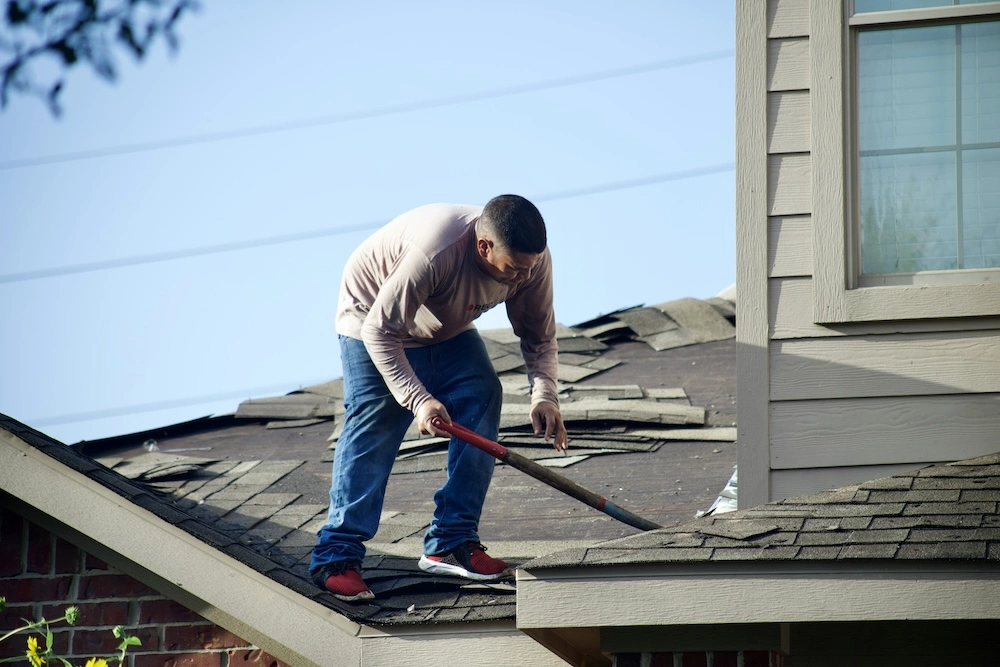
Next comes tear-off — the removal of the existing roofing system.
This includes:
- Shingles
- Underlayment
- Flashing components
- Ventilation accessories
Everything is removed down to the wood decking.
This phase is noisy and fast-paced, but controlled. It’s also one of the most important stages because it exposes what’s underneath.
On many older Raleigh homes, we uncover issues such as:
- Soft decking from long-term minor leaks
- Improper nail penetration
- Layered shingles from previous shortcuts
- Inadequate ventilation cuts
A proper tear-off ensures the new system isn’t installed over hidden problems.
Step 4: Decking Inspection and Repairs
Once the roof is stripped down, Raleigh Roofer inspects the decking thoroughly.
We check for:
- Rot
- Delamination
- Warping
- Moisture damage
- Structural soft spots
If any decking is compromised, it is replaced before moving forward.
This is one area where less experienced contractors may cut corners. But installing new shingles over weak decking shortens lifespan and increases risk of premature failure.
As an experienced Raleigh roofing company, we treat the decking as the structural foundation of the roof system.
Step 5: Installing Modern Underlayment
With solid decking confirmed, we install underlayment.
Unlike the felt paper commonly used decades ago, modern synthetic underlayments are:
- More durable
- More moisture-resistant
- Less prone to tearing
- Better performing under extreme heat
We also install ice and water barrier in vulnerable areas, including:
- Valleys
- Eaves
- Chimneys
- Roof-to-wall transitions
Although Raleigh is not a heavy snow region, wind-driven rain and occasional ice events make these moisture barriers critical.
This layer alone represents a major upgrade over many 1990s roofing installations.
Step 6: Flashing and Detail Upgrades
Flashing is one of the most common failure points on older roofs.
During replacement, Raleigh Roofer upgrades:
- Step flashing
- Counter flashing
- Pipe boots
- Chimney flashing
- Kick-out flashing
Many leaks originate at transitions — not in the field of shingles. If you’ve ever read our article on how we diagnose roof leaks, you know flashing failures are a leading cause.
Modern flashing techniques and materials are more durable and better integrated with the shingle system than what was commonly installed 20–30 years ago.
Step 7: Ventilation Evaluation and Correction
Ventilation is one of the most overlooked elements in older Raleigh homes.
During replacement, we assess whether your attic ventilation is properly balanced between intake and exhaust. That may involve:
- Installing ridge vents
- Improving soffit ventilation
- Removing outdated box vents
- Adjusting ventilation layout
Poor ventilation shortens shingle life, increases attic temperatures, and traps moisture.
Raleigh Roofer evaluates ventilation as part of the system — not as an afterthought.
Step 8: Installing the New Shingles
Now the transformation becomes visible.
Architectural shingles are installed using:
- Manufacturer-approved nailing patterns
- Starter strip installation
- Proper staggering
- Correct ridge cap placement
Precision here affects wind resistance, durability, and warranty validity.
Modern architectural shingles are thicker, stronger, and more dimensionally attractive than the three-tab shingles commonly used in many 1990s neighborhoods.
The curb appeal improvement is often significant. And if resale is on your radar, our blog on how a roof impacts home value explores that relationship further.
Step 9: Cleanup and Safety Sweep
Once installation is complete, cleanup begins immediately.
Raleigh Roofer performs:
- Full debris removal
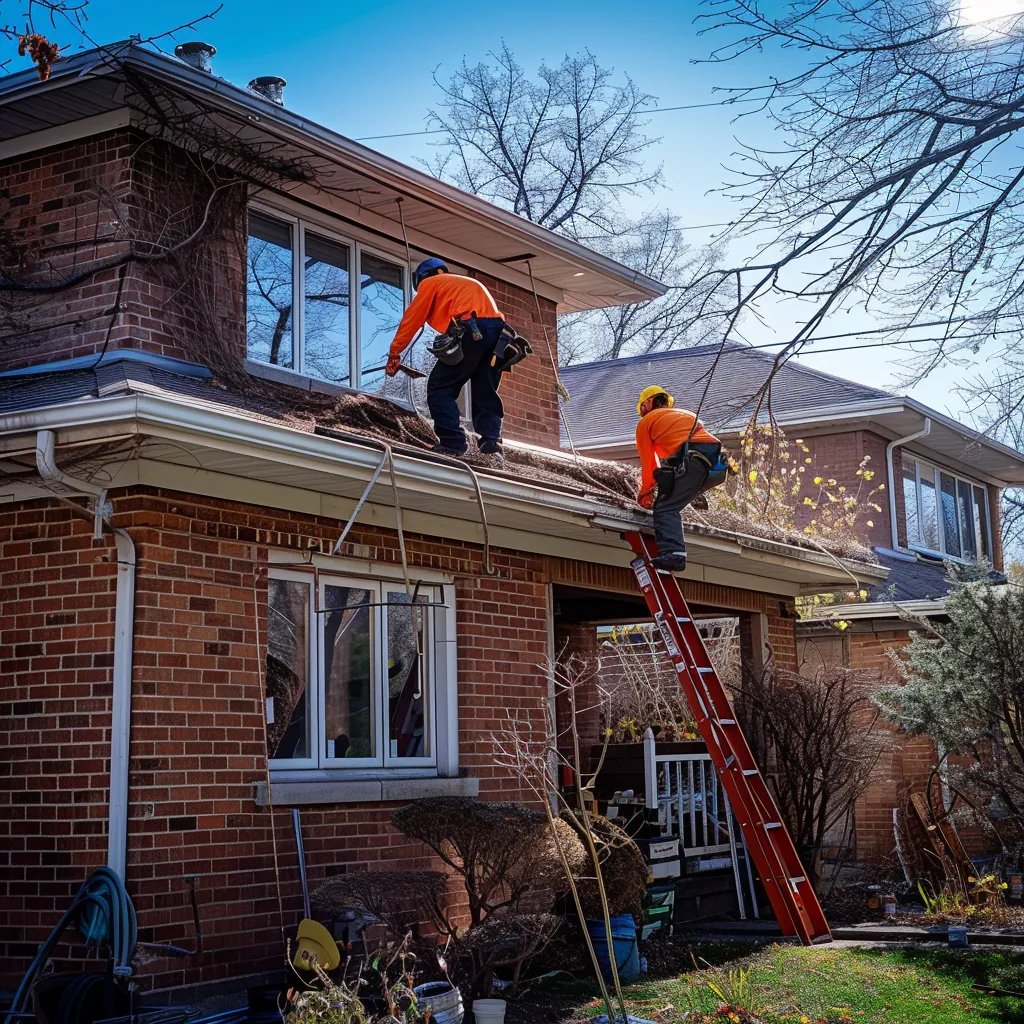
- Gutter clearing
- Tarp removal
- Magnetic nail sweep of yard and driveway
- Final surface check
We understand that your home remains your home throughout this process. Cleanliness and safety are part of professionalism.
Most standard residential roof replacements in Raleigh are completed in one day, depending on size and complexity.
Step 10: Final Inspection and Walkthrough
The final stage is quality control.
We review:
- Flashing integration
- Ridge alignment
- Shingle consistency
- Ventilation components
- Perimeter edges
We answer homeowner questions and provide documentation for warranty purposes.
If follow-up is ever needed, you can easily reach Raleigh Roofer through our contact page for continued support.
What Homeowners Often Don’t Realize
A roof replacement is not just a shingle swap.
It’s:
- Structural evaluation
- Moisture barrier upgrade
- Ventilation correction
- Flashing modernization
- Code compliance update
- Long-term asset protection
Especially in established Raleigh neighborhoods, replacing a roof is often an opportunity to correct installation shortcuts from decades ago.
Raleigh Roofer approaches each replacement as a system modernization — not just a material change.
Final Thoughts: Understanding the Process Changes Everything
When homeowners understand what actually happens during a roof replacement, the project feels less overwhelming.
It becomes a structured, professional process designed to protect your home for decades.
Raleigh Roofer has been serving the Triangle since many of these neighborhoods were first built. We understand how those original roofs were installed — and how to replace them properly today.
If you’re considering a roof replacement in Raleigh or the surrounding areas, the first step is a clear, professional inspection. From there, everything else follows logically and transparently.