Drive through neighborhoods across North Raleigh, Cary, Apex, and parts of Wake Forest and you’ll notice something many homeowners don’t immediately think about: a huge percentage of homes in the Triangle were built between the mid-1980s and early 2000s.
These homes were built during one of Raleigh’s biggest growth periods. Communities like Stonehenge, North Ridge, Lochmere, and many others expanded rapidly during this time. While these homes were often well constructed overall, the roofing systems installed decades ago are now reaching the stage where patterns of failure are becoming very predictable.
At Raleigh Roofer, we’ve inspected and replaced thousands of roofs across the Triangle. Because we work on these homes every week, we see the same structural issues, ventilation problems, and aging material failures again and again.
If your home was built between 1985 and 2005, here are the most common roofing problems we encounter — and what homeowners should understand about them.
Aging Shingle Systems Reaching End of Life
One of the most obvious issues is simply age.
Many homes built in the late 80s and 90s originally had three-tab asphalt shingles installed. Those shingles typically lasted around 20 years under ideal conditions.
That means many Raleigh homes have already gone through at least one replacement cycle. Others are still operating on a roof that is well past its intended lifespan.
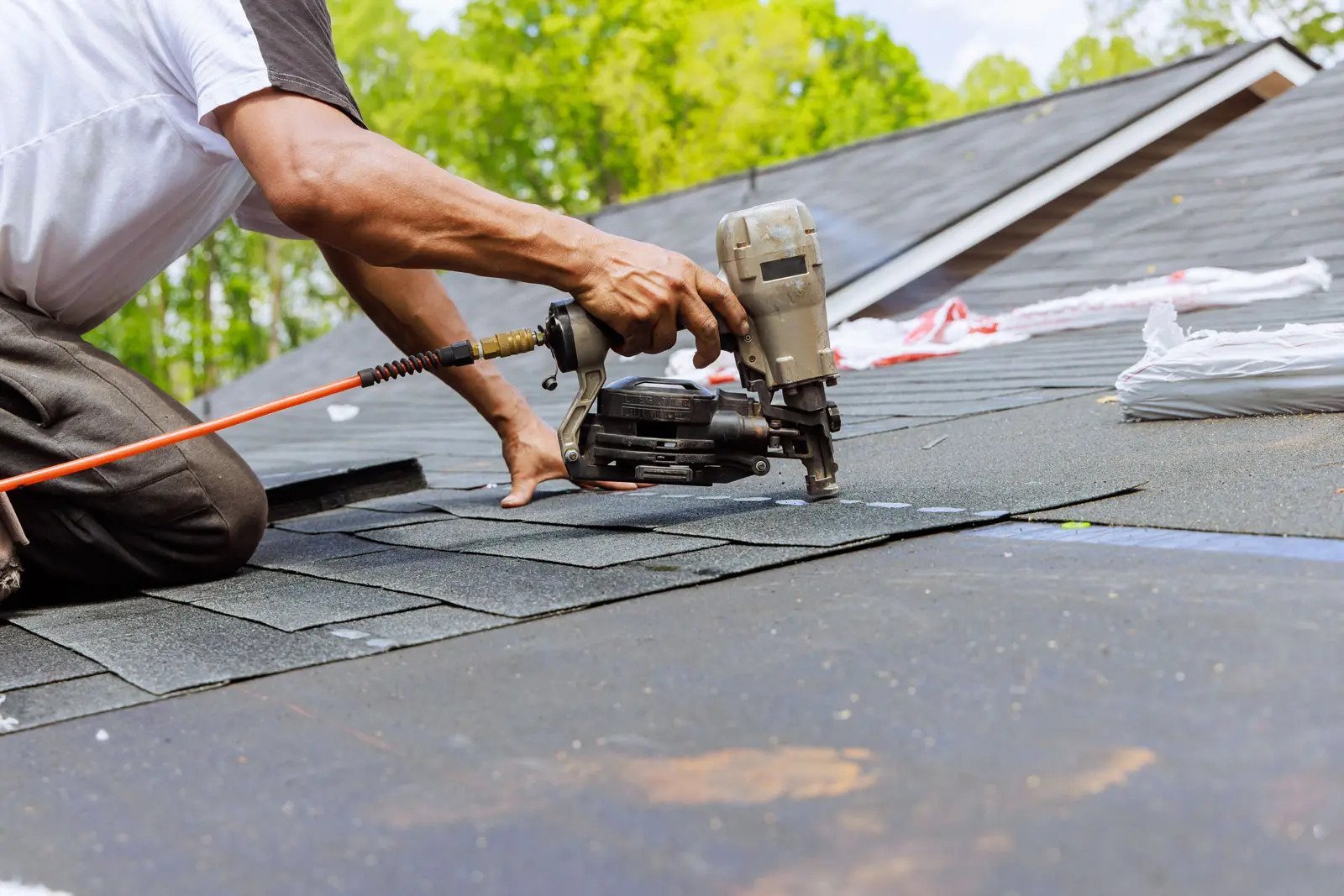
During a professional roof inspection, Raleigh Roofer frequently sees signs such as:
- Curling shingle edges
- Granule loss
- Exposed fiberglass matting
- Brittle shingles cracking during inspection
These signs often indicate that the roof is approaching the point where repairs no longer make financial sense.
When this happens, homeowners often transition toward a full roof replacement rather than repeated patchwork repairs.
Ventilation Systems That Were Never Properly Balanced
One of the most common structural issues in homes built during this era is ventilation imbalance.
Many Raleigh homes from the 80s and 90s relied heavily on:
- Gable vents
- Static box vents
- Limited soffit intake
At the time, this approach met basic code requirements. But modern roofing science now recognizes the importance of balanced airflow between intake and exhaust.
Without proper ventilation, attic temperatures in Raleigh’s hot summers can exceed 140 degrees. This leads to several problems:
- Premature shingle aging
- Moisture buildup in winter months
- Warping of roof decking
- Increased HVAC strain
Raleigh Roofer frequently recommends ventilation improvements when replacing roofs in these neighborhoods because correcting airflow dramatically improves roof longevity.
Flashing Failures Around Chimneys and Sidewalls
Flashing is one of the most important — and most overlooked — parts of a roofing system.
In many homes built between 1985 and 2005, flashing installation followed the minimum standards of the time. Unfortunately, those standards often didn’t account for long-term water movement patterns.
Over decades, Raleigh Roofer commonly finds:
- Improperly integrated step flashing
- Missing kick-out flashing
- Chimney flashing sealed with aging caulk
- Sidewall flashing that has shifted or loosened
These areas are especially vulnerable because water concentrates there during heavy rainfall.
If you’ve ever experienced a mysterious interior leak, the source often traces back to flashing issues. Our article on how we diagnose roof leaks explores how these hidden problems develop over time.
Roof Decking Damage From Long-Term Minor Leaks
Many homeowners assume that if they haven’t seen water dripping from the ceiling, their roof structure must be fine.
Unfortunately, that’s not always true.
Small leaks can slowly saturate roof decking over years. When Raleigh Roofer removes shingles during replacement, we often discover:
- Soft or spongy decking areas
- Delaminated plywood
- Dark moisture staining
- Sections weakened by long-term exposure
In some cases, partial decking replacement becomes necessary before the new roofing system can be installed properly.
If you want a deeper look at why this happens, our blog on why roof decking replacement is sometimes necessary explains the structural factors involved.
Valleys That Were Installed With Minimal Protection
Roof valleys carry the heaviest water flow on the entire roof.
During heavy Raleigh rainstorms, hundreds of gallons of water may move through valleys within a short period of time. Unfortunately, many homes built in the late 80s and early 90s relied on basic shingle-woven valleys without additional protection layers.
Over time, this can lead to:
- Shingle wear along valley lines
- Underlayment deterioration
- Increased risk of leaks during storms
Modern roofing practices often include upgraded valley protection such as ice-and-water barrier membranes or metal valley flashing, which significantly improves long-term performance.
Roof Repairs That Were Done Too Quickly
Another issue we frequently encounter in older neighborhoods is the accumulation of quick repairs performed over decades.
It’s common for Raleigh Roofer to find:
- Layered shingle patches
- Improperly sealed pipe boots
- Sealant used instead of flashing repair
- Mismatched repair materials
Not all roof repairs are equal. A properly executed repair can extend roof life by years, but a temporary patch may only delay a larger issue.
If you’re unsure whether your roof has been repaired correctly in the past, working with an experienced Raleigh roofing company can help identify whether those repairs are still performing properly.
Tree Coverage and Organic Debris
Raleigh’s mature neighborhoods are one of the reasons people love living here.
But those beautiful oak and pine trees also create roofing challenges.
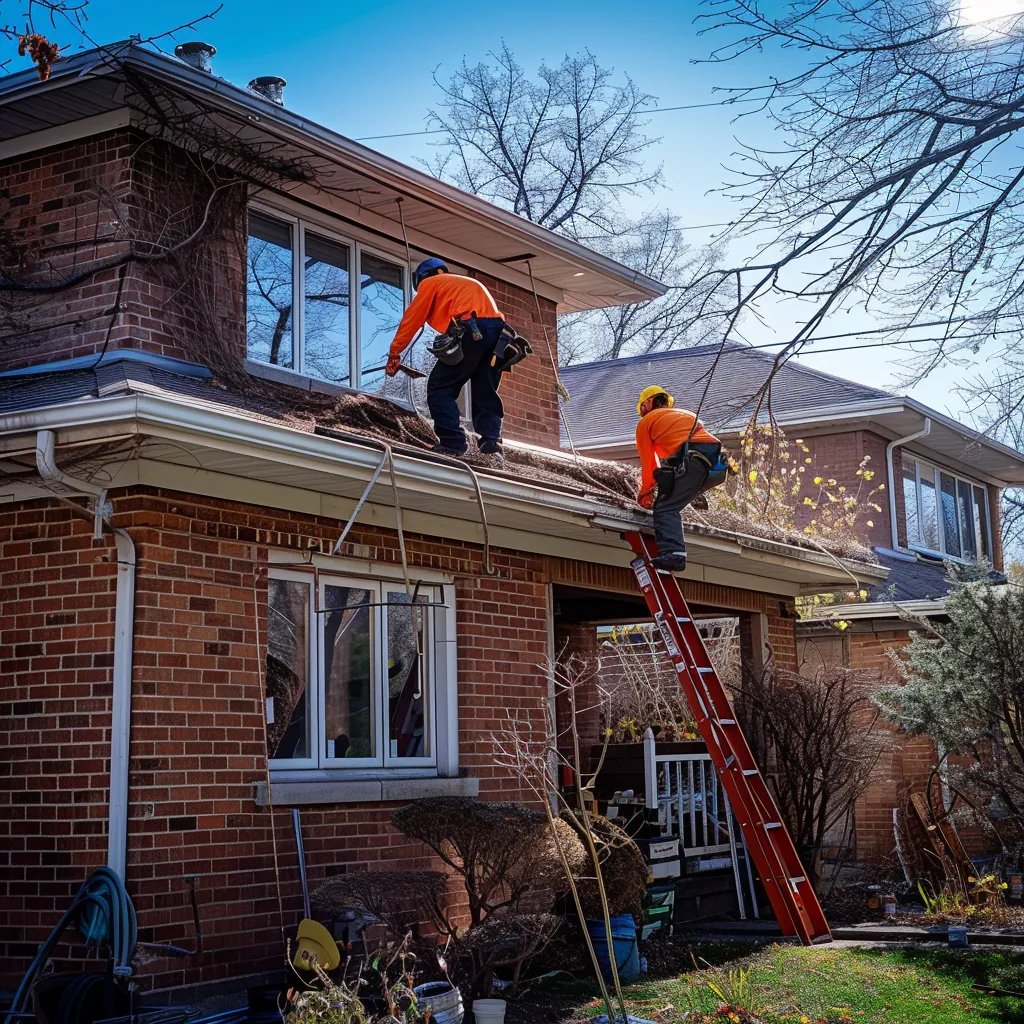
Homes built between 1985 and 2005 often now sit beneath fully mature tree canopies. This leads to:
- Moss growth
- Algae streaking
- Debris buildup in valleys
- Gutter blockage
Over time, organic debris traps moisture on the roof surface. That moisture can accelerate shingle deterioration and encourage biological growth.
Routine cleaning and inspection help reduce these issues before they cause permanent damage.
Gutters That No Longer Handle Modern Rainfall Patterns
Rainfall patterns in the Triangle have changed over the years. Storms are often heavier and more concentrated than they were decades ago.
Many homes built during the 1985–2005 period were equipped with smaller gutter systems that struggle to handle modern rainfall intensity.
When gutters overflow, water may back up beneath shingles or collect along fascia edges. Upgrading drainage systems — including proper gutter installation — can dramatically improve roof performance.
Improper Shingle Layering From Past Replacements
In some older homes, previous roofers installed new shingles over existing layers instead of performing a full tear-off.
While this approach was sometimes allowed in the past, it can create several long-term issues:
- Trapped heat in the roofing system
- Reduced shingle lifespan
- Uneven surfaces
- Increased structural weight
When Raleigh Roofer performs replacements in these situations, we remove all layers to expose the decking and start with a clean foundation.
Why These Issues Are So Common in Raleigh
Many of these roofing patterns are not unique to one neighborhood. They’re tied to how homes were built during a specific growth period in the Triangle.
Construction demand was high, building codes were different, and roofing materials were less advanced than today’s systems.
That doesn’t mean these homes were poorly built. It simply means their roofing systems are now reaching a stage where upgrades and corrections are needed.
What Raleigh Homeowners Should Do Next
If your home was built between 1985 and 2005 and you haven’t had your roof evaluated recently, a professional inspection is one of the smartest steps you can take.
An inspection can identify:
- Early ventilation problems
- Flashing vulnerabilities
- Aging materials
- Structural concerns
If you’d like to schedule an evaluation or discuss your roof’s condition, Raleigh Roofer makes it easy to start the process through our contact page.
Understanding the current state of your roof allows you to plan repairs or replacement before small issues turn into major structural problems.
Final Thoughts: Raleigh Homes Are Aging — But They Can Be Upgraded
Homes built between 1985 and 2005 make up a large portion of Raleigh’s most desirable neighborhoods.
With proper roofing upgrades and maintenance, these homes can continue performing beautifully for decades to come.
At Raleigh Roofer, we specialize in diagnosing the exact roofing challenges common to this generation of homes. Because we’ve worked on thousands of them across the Triangle, we understand where problems start — and how to fix them correctly.
If you live in one of these neighborhoods, paying attention to your roof today can prevent costly surprises tomorrow.