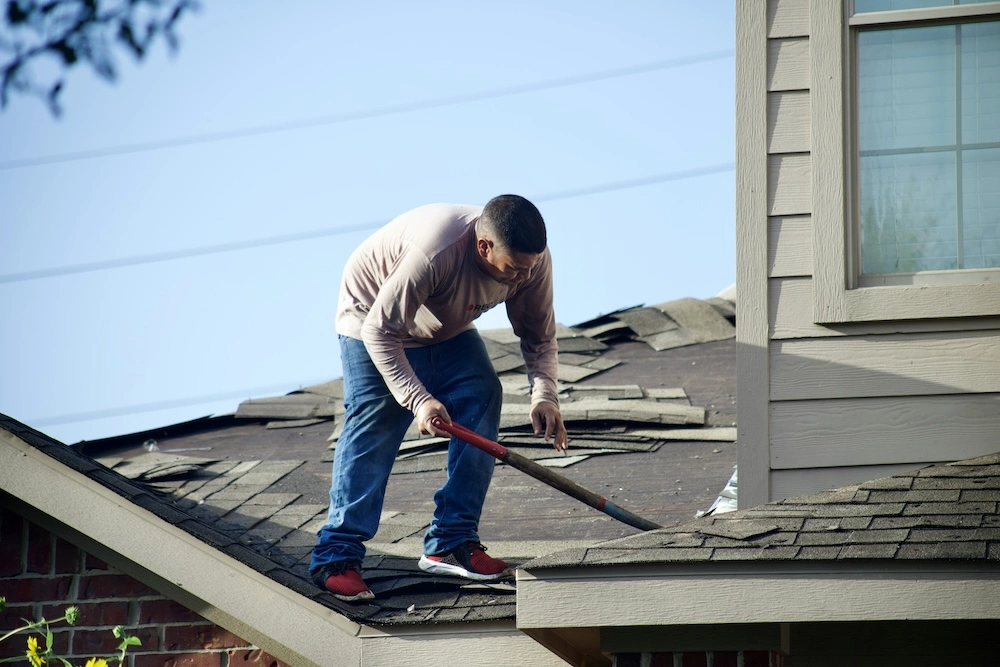
Severe storms are a normal part of life in the Triangle. Between spring thunderstorms, summer wind events, and the occasional tropical system moving inland, roofs across Raleigh, Cary, Apex, Durham, and Wake Forest regularly face intense weather conditions.
After a major storm passes through the area, many homeowners look at their roof from the ground and assume everything is fine. Unfortunately, storm damage is often subtle. Missing shingles are easy to spot, but many forms of damage are nearly invisible unless you know exactly what to look for.
That’s why a professional storm damage roof inspection is so important.
At Raleigh Roofer, we regularly perform inspections after hailstorms, strong wind events, and heavy rain. These inspections are designed not just to look for obvious damage, but to carefully evaluate the roofing system, document findings, and determine whether repairs or a full replacement may be necessary.
Here’s exactly what happens during a storm damage roof inspection in Raleigh.
Step 1: Initial Conversation With the Homeowner
Every storm damage inspection begins with a conversation.
Before climbing onto the roof, Raleigh Roofer asks homeowners several important questions, including:
- When did the storm occur?
- Did you notice any interior leaks afterward?
- Have you seen debris, shingle pieces, or granules around the property?
- Have neighbors reported roof damage?
Storm patterns often affect entire neighborhoods, so understanding the timing and severity of the event helps guide the inspection process.
This step also allows homeowners to explain any concerns they’ve noticed, such as ceiling stains or unusual attic moisture.
Step 2: Exterior Property Inspection
Before stepping onto the roof itself, Raleigh Roofer performs a ground-level inspection around the property.
Storm damage often leaves clues on other parts of the home. During this stage we check:
- Gutters and downspouts
- Window screens
- Siding
- Deck railings
- Outdoor HVAC units
- Fence lines
- Landscaping debris patterns
For example, hail impacts often leave dents in metal gutters or HVAC covers. Wind damage may scatter shingles or roofing debris around the yard.
These early indicators help determine how likely it is that the roof sustained storm damage.
Step 3: Roof Surface Inspection
Once exterior clues are documented, the next step is a full roof surface inspection.
During this stage Raleigh Roofer examines every slope of the roof carefully. We look for signs of wind damage such as:
- Missing shingles
- Lifted or creased shingles
- Torn shingle tabs
- Displaced ridge caps
- Exposed nail heads
Wind can loosen shingles without completely removing them. In many cases shingles appear intact but have been partially lifted and weakened.
Over time these loosened areas can allow water to penetrate the roofing system.
If wind damage is present, targeted roof repairs may be enough to restore the roof’s performance.
Step 4: Identifying Hail Damage
Hail damage requires a different type of inspection.
Unlike wind damage, hail often leaves impact marks that are subtle and difficult to see unless you’re trained to identify them.
During a hail inspection Raleigh Roofer examines:
- Shingle surfaces for granule loss
- Soft bruising spots in shingles
- Circular impact marks
- Damage to roof vents
- Dents in flashing components
Hail impacts can weaken the protective granule layer on shingles. Even if the roof does not leak immediately, the affected shingles may deteriorate faster over time.
These impact zones are carefully documented so homeowners understand the extent of the damage.
Step 5: Checking Roof Valleys and Flashing Areas
Storm damage often shows up first in vulnerable sections of the roof.
Valleys, flashing areas, and penetrations experience the highest stress during storms. Water and wind concentrate in these areas, making them more likely to fail.
During the inspection Raleigh Roofer pays close attention to:
- Roof valleys
- Chimney flashing
- Pipe boots
- Skylight flashing
- Roof-to-wall intersections
If these areas are damaged, water may enter the roofing system even when the rest of the roof appears intact.
Many of the leaks we diagnose during inspections originate from flashing failures rather than shingle damage. Our guide on how we diagnose roof leaks explains how these vulnerabilities develop.
Step 6: Attic Inspection
A complete storm damage inspection also includes checking the attic when accessible.
The attic provides valuable clues about how the roof is performing. Raleigh Roofer examines:
- Signs of water intrusion
- Wet insulation
- Mold or moisture buildup
- Light penetrating through the roof deck
- Structural wood condition
Even if no visible interior leak has appeared yet, moisture may already be entering the attic space.
If problems are discovered here, they often confirm that storm damage has compromised the roofing system.
Step 7: Photo Documentation of Damage
One of the most important parts of a storm inspection is documentation.
Raleigh Roofer photographs any signs of damage discovered during the inspection. These photos provide homeowners with clear visual evidence of what is happening on their roof.
Documentation typically includes:
- Wide-angle roof slope photos
- Close-up images of damaged shingles
- Flashing damage images
- Hail impact marks
- Wind displacement areas
This visual record helps homeowners understand the condition of their roof and is also valuable if insurance claims become necessary.
Step 8: Evaluating Repair vs Replacement
After the inspection is complete, the next step is evaluating whether the damage requires repairs or a full replacement.
Not all storm damage leads to roof replacement. In many cases localized repairs can restore the roof effectively.
Factors Raleigh Roofer considers include:
- Age of the roof
- Extent of shingle damage
- Number of affected slopes
- Structural condition of the decking
- Remaining lifespan of materials
If the roof is relatively new and damage is limited, targeted repairs may be the most practical option.
However, if the roof was already aging before the storm, widespread damage may make a full roof replacement the more cost-effective long-term solution.
Step 9: Discussing Insurance Considerations
Storm damage inspections often lead homeowners to ask about insurance.
While Raleigh Roofer does not make insurance decisions, we help homeowners understand whether the damage appears consistent with storm-related impacts.
If damage is significant, homeowners may choose to file a claim with their insurance provider.
In these situations, our documentation and inspection findings can help explain the condition of the roof and support the evaluation process.
It’s important to note that every insurance policy and claim review process is different, but having a detailed inspection report makes the process clearer.
Step 10: Creating a Plan Moving Forward
After reviewing the inspection results, Raleigh Roofer works with homeowners to determine the best path forward.
That may involve:
- Minor repairs
- Monitoring specific areas
- Filing an insurance claim
- Planning a future roof replacement
The goal is always to provide honest recommendations based on the condition of the roofing system.
As an experienced Raleigh roofing company, we believe homeowners should understand their roof’s condition clearly before making any decisions.
Why Storm Inspections Are Important in Raleigh
Storm inspections are particularly valuable in the Triangle because weather conditions here can be unpredictable.
Raleigh frequently experiences:
- High wind thunderstorms
- Hail events
- Tropical storm remnants
- Sudden heavy rainfall
Even storms that appear moderate from the ground can produce roof damage.
Without a proper inspection, these issues may go unnoticed until leaks develop months later.
When to Schedule a Storm Damage Inspection
You should consider a professional roof inspection after:
- Hailstorms
- High wind events
- Falling tree branches
- Severe thunderstorms
- Hurricanes or tropical systems
Even if your roof appears intact, a trained inspection can identify damage early.
If you suspect your roof may have been affected by a recent storm, you can schedule an evaluation easily through the Raleigh Roofer contact page.
Early inspections often prevent small storm-related problems from turning into larger repairs later.
Final Thoughts: Storm Damage Is Often Hidden
Storm damage is not always obvious.
Wind may loosen shingles without removing them. Hail impacts may weaken materials without creating immediate leaks. Flashing may shift slightly, allowing water to enter months later.
That’s why professional inspections are so important after severe weather.
At Raleigh Roofer, we help homeowners across Raleigh and the surrounding Triangle communities understand the true condition of their roofs after storms. By identifying damage early and documenting it carefully, we make it easier for homeowners to make informed decisions about repairs, replacement, and next steps.
If a storm recently passed through your area, taking a closer look at your roof today could save you from major problems tomorrow.