Raleigh is known for its mix of sleek modern developments and charming historic neighborhoods. Stroll through Oakwood, Boylan Heights, or Mordecai, and you’ll see the character and craftsmanship that make these areas so beloved. If you’re lucky enough to own a home in one of Raleigh’s historic districts, you already know how special it feels to be part of that history.
But with charm comes responsibility. Remodeling in a historic neighborhood isn’t as simple as calling a contractor and starting demo day. Strict rules protect the architectural integrity of these areas, and homeowners must follow them carefully. At Raleigh Roofing and Remodeling, we work with families across the Triangle to update their homes while respecting the history and meeting all requirements.
This guide breaks down what you can and can’t do when remodeling in Raleigh’s historic districts—and how to strike the perfect balance between modern comfort and historic preservation.
Why Historic District Rules Exist
Historic overlay districts were created to protect the cultural and architectural heritage of Raleigh. They ensure neighborhoods like Oakwood maintain their charm instead of being overshadowed by cookie-cutter modern builds.
The Historic Development Commission (RHDC) oversees these areas and issues Certificates of Appropriateness (COAs) before major changes can be made. Their goal is simple: preserve the look and feel of Raleigh’s historic neighborhoods while still allowing homeowners to enjoy modern living.
What You Can’t Do
Let’s start with the restrictions—the rules that often surprise homeowners.
1. Drastic Changes to Facades
You can’t completely alter the look of your home’s front. For example:
- Covering original wood siding with vinyl or aluminum.
- Replacing original windows with modern vinyl units.
- Changing rooflines or removing historic details like brackets, columns, or trim.
The visible exterior is considered the most important part of maintaining neighborhood character.
2. Demolish Without Approval
Demolition is heavily regulated. Even small outbuildings like historic garages or sheds may require approval before being torn down.
3. Install Incompatible Additions
Want to add a massive second story or a modern glass wall on the front? Probably not allowed. Additions must be proportional and blend seamlessly with the home’s existing style.
4. Use Non-Historic Materials on Visible Surfaces
While you might love low-maintenance vinyl siding or metal-framed windows, they’re often not permitted on street-facing sides. Instead, wood or historically accurate alternatives are required.
5. Alter Historic Rooflines
Adding dormers, skylights, or changing the pitch of your roof without approval can be a big no-no. Rooflines are key architectural features that define the district’s character.
What You Can Do
The good news: there’s plenty you can do to improve comfort, function, and even aesthetics—if you follow the right steps.
1. Make Energy-Efficient Upgrades
While you can’t swap original windows for vinyl, you can restore existing windows and add storm windows for efficiency. Insulation, HVAC upgrades, and interior remodeling are fair game.
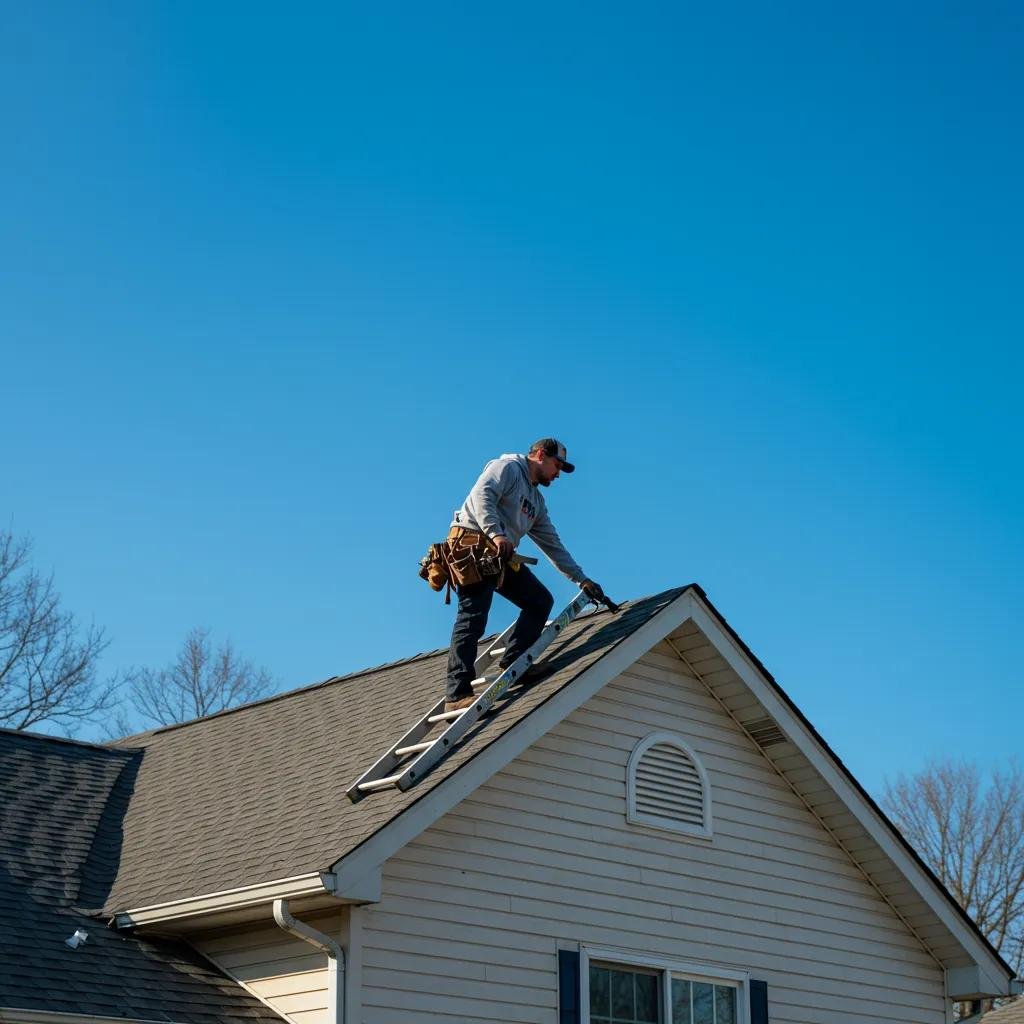
2. Repair and Restore Roofs
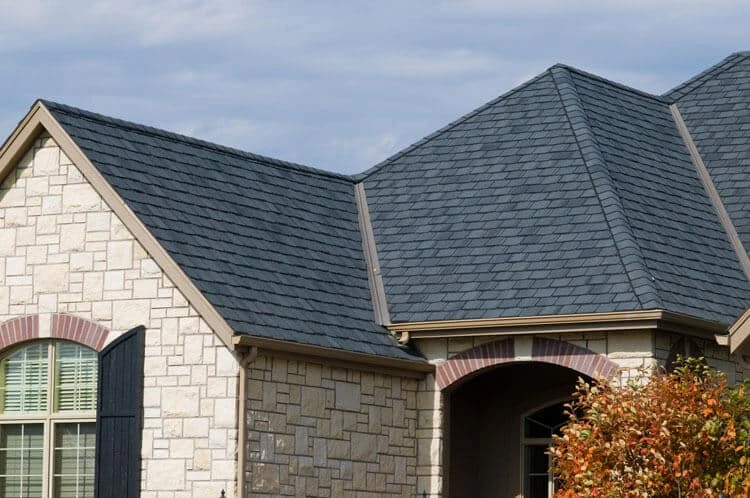
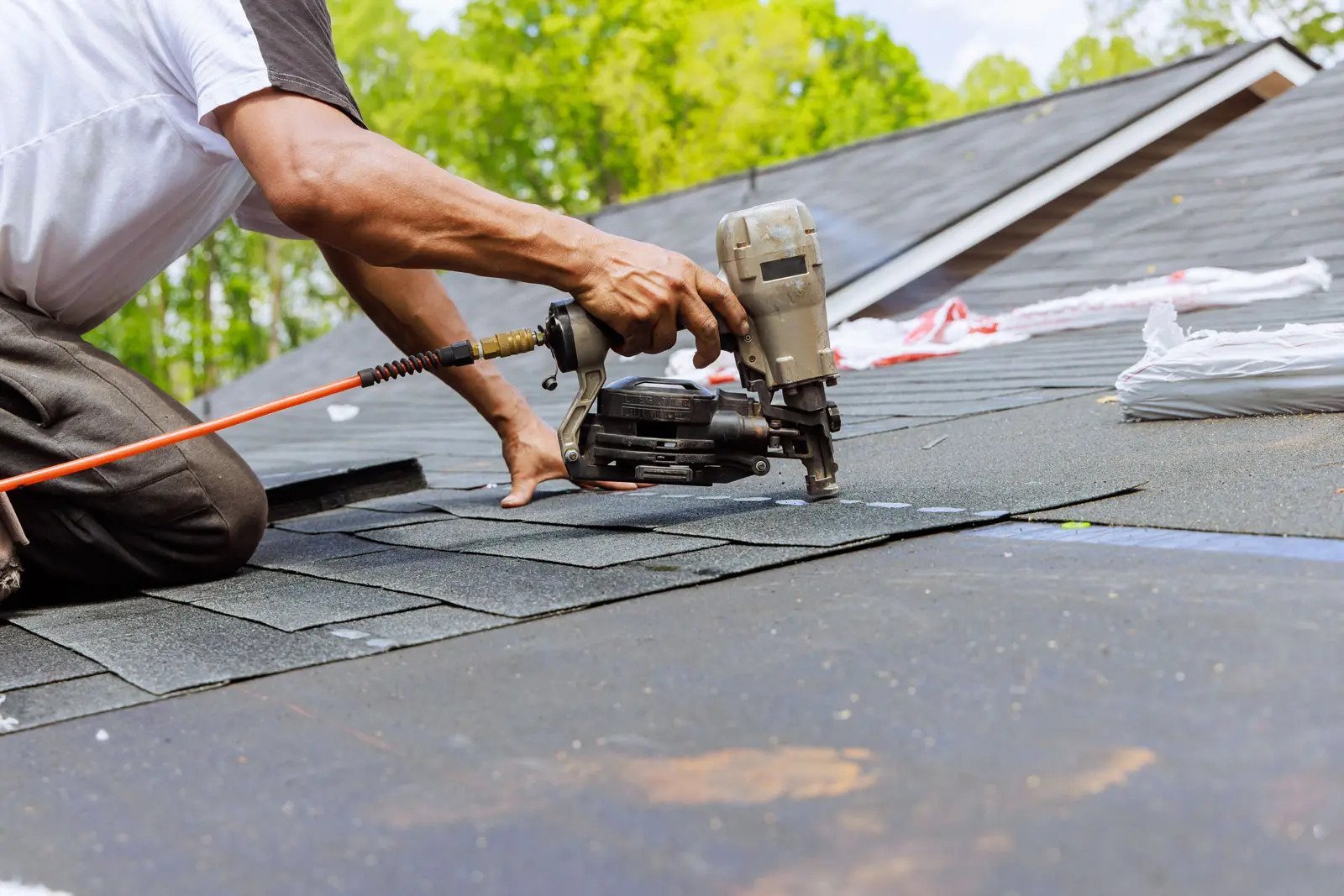
Roof repairs and replacements are common projects, and they’re allowed as long as the materials are appropriate. Wood shingles, slate, or asphalt shingles designed to mimic historic materials are often approved.
3. Additions (Within Reason)
Rear or side additions are usually allowed if they’re scaled properly and don’t overpower the original structure. Think screened porches, sunrooms, or modest expansions.
4. Update Interiors Freely
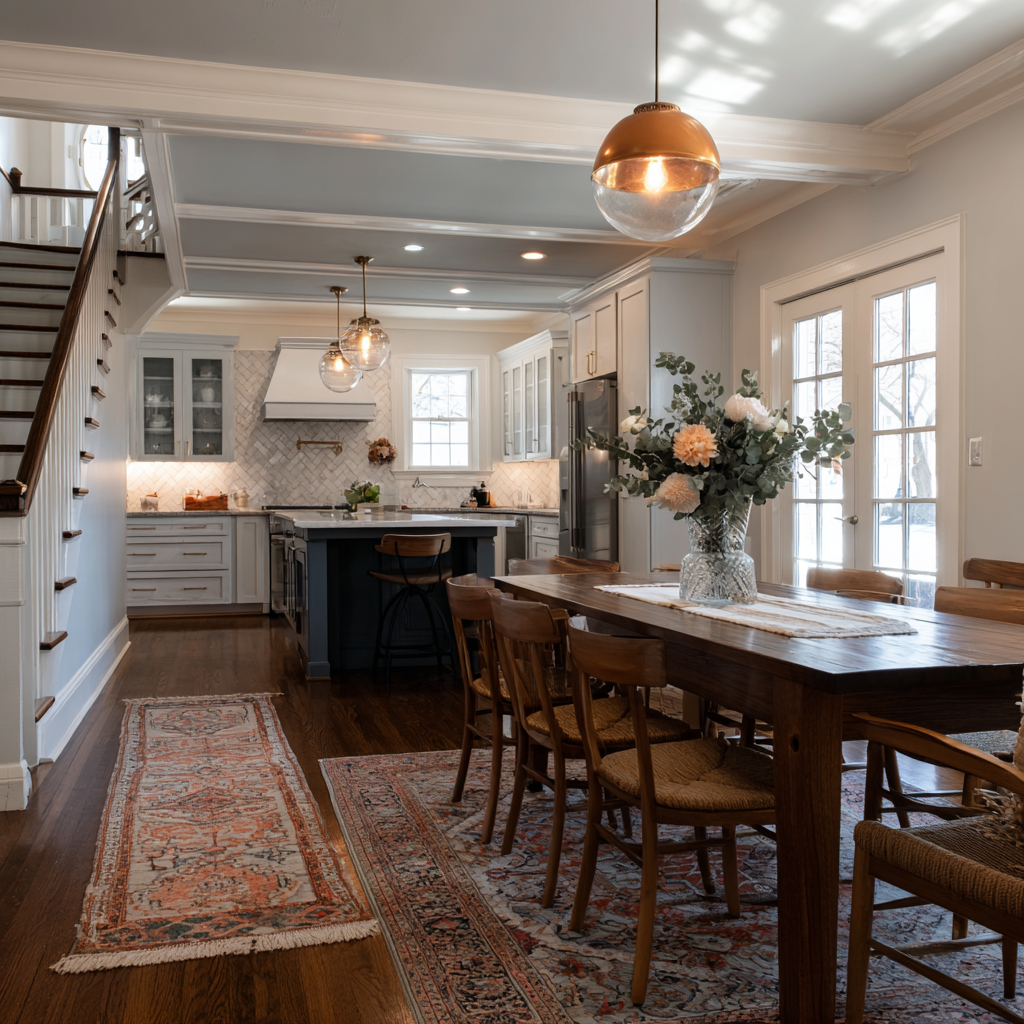
The RHDC doesn’t regulate interiors. That means you’re free to remodel kitchens, bathrooms, and living spaces however you’d like—without restrictions. This is where many homeowners bring modern convenience into their historic home.
5. Improve Outdoor Living Spaces
Decks, patios, and landscaping can often be updated, especially if they’re located behind the home and don’t disrupt the streetscape.
Raleigh’s Certificate of Appropriateness (COA) Process
Before you swing a hammer, you’ll need approval from the RHDC for exterior work. Here’s what to expect:
- Determine if You Need a COA. Routine maintenance like repainting with the same color or repairing in-kind may not require one. Major changes always do.
- Prepare an Application. This includes drawings, photos, and descriptions of the work.
- RHDC Review. Minor projects may be approved by staff, while major changes go before the full commission.
- Approval or Denial. Only after approval can you secure building permits and begin work.
This process ensures consistency across historic districts but can feel daunting without professional guidance. That’s why many Raleigh homeowners choose contractors experienced in navigating COA requirements.
Common Remodeling Projects in Historic Raleigh Neighborhoods
At Raleigh Roofing and Remodeling, we’ve helped homeowners achieve stunning results while respecting historic rules. Here are a few projects that are both popular and permitted:
- Roof Replacements: Using historically accurate materials like architectural shingles that resemble wood or slate.
- Porch Restorations: Repairing columns, replacing decking, and updating railings with historically appropriate designs.
- Rear Additions: Expanding kitchens or adding family rooms in a way that blends with the home’s style.
- Bathroom and Kitchen Remodels: Modernizing interiors with luxury finishes while leaving exteriors untouched.
- Energy-Efficient Upgrades: Adding insulation, restoring original windows, and improving ventilation.
Tips for Homeowners Planning a Remodel
1. Do Your Research
Each historic district has specific design guidelines. Review them before starting plans to avoid surprises.
2. Work with Experienced Contractors
Not every contractor understands historic remodeling. Look for a team like Raleigh Roofing and Remodeling that’s familiar with local rules and can design projects that win approval.
3. Budget for Extra Time
The COA process can add weeks to your project timeline. Plan accordingly so you’re not rushed.
4. Think Long-Term
Historic homes may need more maintenance, but thoughtful remodeling can increase value and preserve beauty for decades.
5. Blend, Don’t Imitate
The goal isn’t to build a “fake old” addition but to design something that complements without copying. Subtle differences show what’s new while respecting what’s original.
Why It’s Worth the Effort
Remodeling in a historic district comes with challenges, but it also comes with rewards:
- Increased Property Value. Historic homes are often in high demand, and well-maintained ones sell quickly.
- Unique Character. No cookie-cutter homes—your property has true personality.
- Community Pride. You’re helping preserve Raleigh’s history for future generations.
- Tax Incentives. Some historic renovations may qualify for tax credits, depending on scope and compliance.
The Raleigh Roofing and Remodeling Difference
We know historic remodeling isn’t one-size-fits-all. Our team works with homeowners across Oakwood, Boylan Heights, Mordecai, and beyond to:
- Guide you through the COA process.
- Suggest materials and designs that balance history with modern needs.
- Deliver craftsmanship that respects original details.
- Handle everything from roof repairs to full interior remodels.
When you partner with us, you get more than a contractor—you get a trusted guide through the complexities of historic homeownership.
Final Thoughts
Remodeling in Raleigh’s historic districts comes with rules, but those rules protect the charm that makes neighborhoods like Oakwood and Boylan Heights so special. While you can’t always do whatever you want with your exterior, you can still update, expand, and modernize your home in ways that improve comfort and value.
The key is knowing what’s allowed—and having a remodeling partner who can help you navigate the process. At Raleigh Roofing and Remodeling, we take pride in blending history with modern living, ensuring every project respects the past while preparing your home for the future.