If you have noticed dark streaks running down your roof, you are not alone. Black or dark gray staining is extremely common on roofs throughout Raleigh and the surrounding Triangle area. Many homeowners first assume the streaks are dirt, soot, mold, or signs that the roof is failing. In many cases, those streaks are caused by algae growth, especially on asphalt shingle roofs.
Raleigh’s warm, humid climate creates the kind of environment where roof algae can thrive. Moisture lingers after rain, shaded roof sections dry more slowly, and tree coverage can trap leaves and debris on the roof surface. Over time, algae can spread across shingles and create visible streaks that affect curb appeal and make a roof look older than it really is.
Algae streaks are often more cosmetic than urgent at first, but they should not be completely ignored. In some cases, staining may be paired with roof wear, moisture retention, damaged shingles, clogged gutters, or hidden ventilation issues. The key is knowing what algae streaks mean, how Raleigh’s climate contributes to them, and when to call a roofing professional for an inspection.
Here is what homeowners should know about algae streaks on Raleigh roofs.
What Are the Black Streaks on Your Roof?
The dark streaks on many asphalt shingle roofs are commonly caused by a type of algae that feeds on limestone filler in shingles. As it grows and spreads, it can create black, brown, or gray streaks that run down the roof surface. These streaks often appear more heavily on shaded areas or roof slopes that do not receive as much direct sunlight.
At first, algae may look like light discoloration. Over time, it can become darker and more noticeable. On lighter-colored shingles, the streaks may stand out even more. Homeowners may worry that the roof is dirty, damaged, or beyond repair.
Algae is not the same thing as moss, though both are moisture-related roof concerns. Moss tends to grow in thicker, raised patches and can hold more moisture against the roof surface. Algae usually looks flatter and streakier.
Because roof staining can have different causes, it is smart to have a professional evaluate the roof if the staining is widespread, sudden, or paired with other signs of wear. Raleigh Roofer’s roof inspection service can help determine whether stains are mainly cosmetic or part of a larger roof issue.
Why Raleigh Roofs Are Prone to Algae
Raleigh’s climate is one of the biggest reasons algae streaks are so common. The area gets warm summers, regular humidity, seasonal storms, and plenty of tree coverage in many neighborhoods. Those conditions can keep sections of the roof damp for longer periods, especially after rain or morning dew.
Algae grows more easily when moisture is present. Roof slopes that face north or sit under shade may not dry as quickly as sunnier areas. Homes surrounded by mature trees may also have more leaves, pine needles, pollen, and organic debris collecting on the roof and in gutters.
This combination of moisture, shade, and organic matter makes algae staining more likely.
Raleigh homeowners often pay attention to storm damage and roof leaks, but humidity-related roof issues can be just as important over time. Raleigh Roofer’s article on how Raleigh’s summer humidity affects your roof over time explains how moisture-heavy air, attic ventilation, shingle wear, and algae growth can all be connected.
Humidity Helps Algae Spread
Humidity does not have to mean visible rain. Even on days when the roof is not being soaked by a storm, humid air can slow the drying process. If the roof surface stays damp, algae has more opportunity to grow.
This is especially noticeable during Raleigh summers. Warm air holds moisture, and roofs may experience a repeating cycle of humidity, heat, rain, shade, and slow drying. Over time, this can allow algae streaks to spread across the shingles.
A roof that gets full sun may dry faster and show fewer streaks. A roof under shade may develop darker staining more quickly. That is why algae often appears unevenly. One side of the roof may look clean while another side looks heavily streaked.
Humidity can also contribute to other roof concerns, including damp attic conditions, gutter debris, moss growth, and shingle wear. Algae streaks may be the most visible sign that moisture is lingering on the roof.
Tree Coverage Can Make Streaks Worse
Many Raleigh neighborhoods have beautiful mature trees, but heavy tree coverage can contribute to roof staining. Trees create shade, drop leaves and debris, and reduce how quickly the roof dries after rain.
When branches hang over the roof, they may also drop pollen, sap, seeds, pine needles, and small debris. This material can collect in roof valleys, behind chimneys, around skylights, and inside gutters. Debris holds moisture, and moisture encourages algae and other organic growth.
Branches that physically touch the roof can also scrape shingles and loosen granules. Over time, this can create worn areas that are more vulnerable to damage.
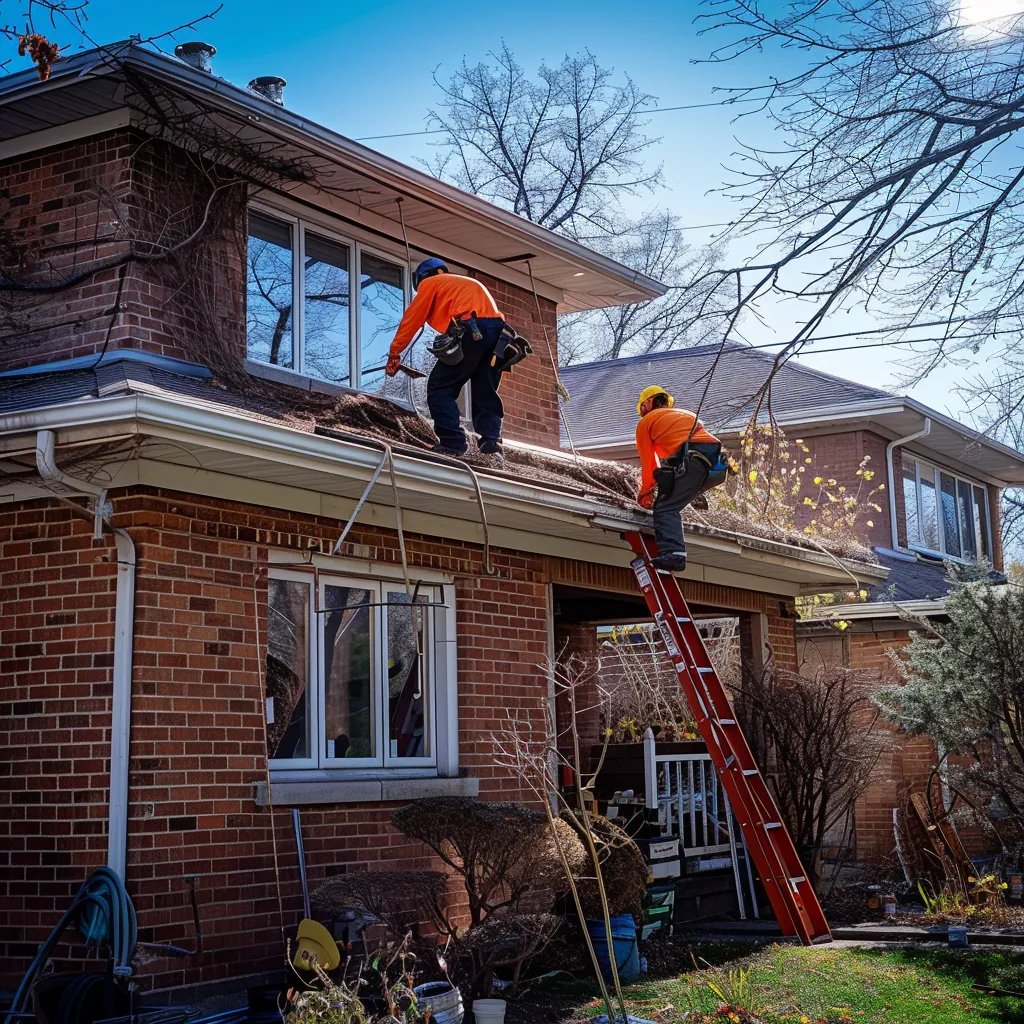
Homeowners do not need to remove every tree near the house, but regular maintenance matters. Trimming back branches, clearing roof debris, and keeping gutters clean can help reduce moisture retention and make algae growth less severe.
If your home is heavily shaded and you are noticing roof stains, clogged gutters, or slow-drying areas, it may be time to schedule an inspection before the issue becomes more than cosmetic.
Algae Streaks Can Hurt Curb Appeal
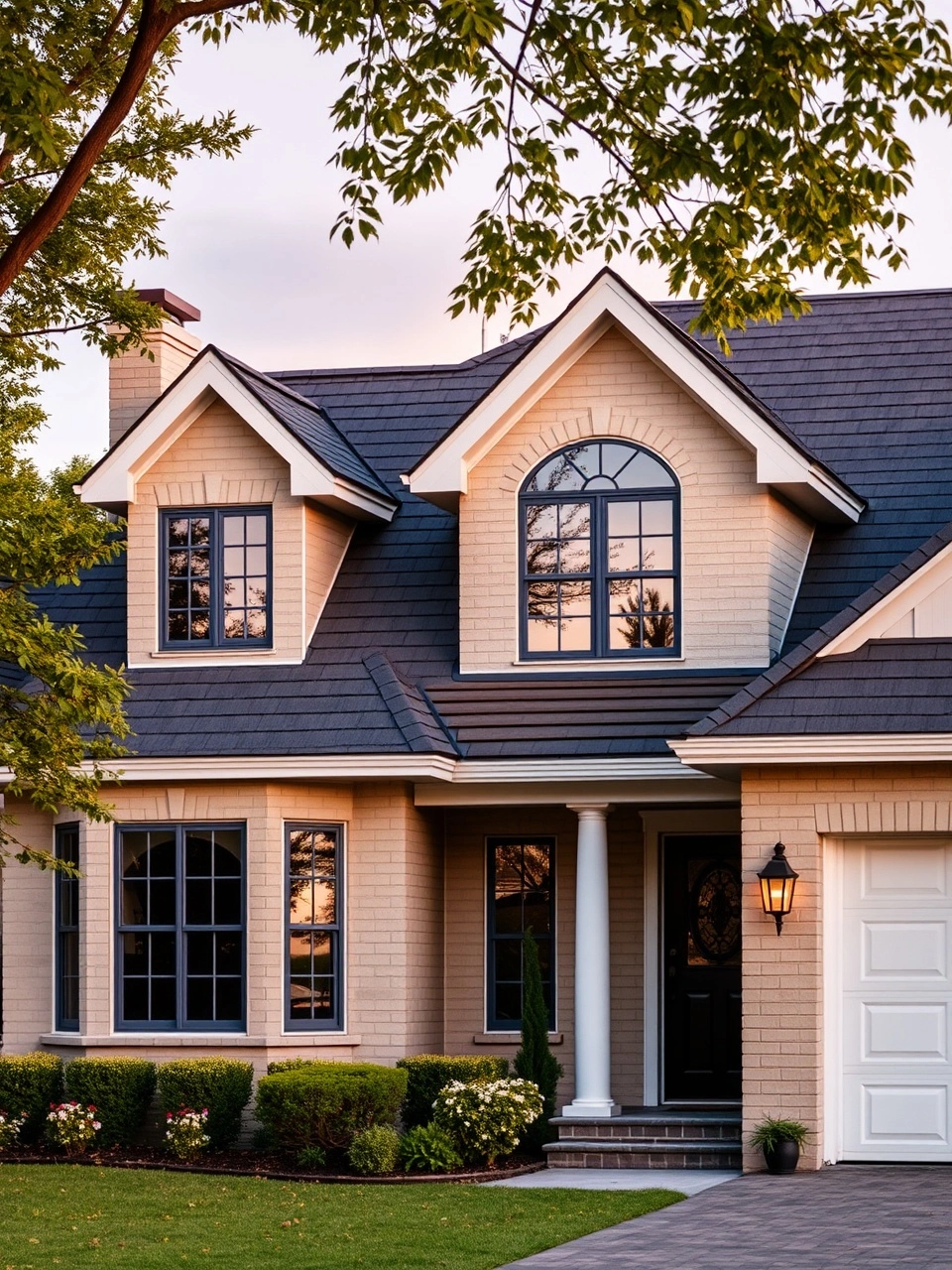
One of the biggest reasons homeowners care about algae streaks is curb appeal. A stained roof can make a home look older, neglected, or poorly maintained, even if the roof is still functioning.
This can matter if you are planning to sell your home or if you simply want the exterior to look clean and well cared for. A roof is one of the largest visible surfaces on a house. When it is covered in dark streaks, it can affect the entire appearance of the property.
Curb appeal is especially important in competitive neighborhoods where buyers pay attention to exterior maintenance. A stained roof may lead potential buyers to wonder whether the roof is old, leaking, or in need of replacement, even if the issue is mostly algae.
If you are preparing to sell, it may be worth having the roof inspected before listing. Raleigh Roofer’s article on how a roof impacts home value explains why roof condition and appearance can influence buyer perception.
Algae Does Not Always Mean the Roof Is Failing
The good news is that algae streaks do not always mean your roof needs to be replaced. Many roofs develop algae staining while still having years of useful life left. In many cases, the staining is primarily cosmetic.
However, that does not mean every stained roof is healthy. Algae should be evaluated alongside the roof’s age, shingle condition, granule loss, flashing, gutters, ventilation, and signs of leaks.
If your shingles are still flat, intact, and in good condition, algae may not be a major structural concern. But if the roof also has curling shingles, missing granules, soft spots, moss growth, leaks, or damaged flashing, the staining may be part of a broader maintenance issue.
The best approach is to avoid guessing. A professional roofer can tell whether the roof simply needs safe cleaning, routine maintenance, repair, or closer evaluation.
When Stains May Signal a Bigger Roof Problem
Algae streaks alone may not be urgent, but certain warning signs should prompt a roof inspection. Staining may signal a bigger issue when it appears alongside other problems.
Watch for:
Missing or damaged shingles
Curling or cracked shingles
Granule loss in gutters
Moss or thick organic growth
Soft spots on the roof
Water stains inside the home
Musty attic odors
Damp insulation
Clogged gutters
Sagging roof sections
Repeated leaks after storms
Damaged flashing around vents or chimneys
If dark streaks are paired with any of these symptoms, the roof may need more than cleaning. There could be water intrusion, drainage problems, attic ventilation issues, or shingle deterioration.
Raleigh Roofer’s roof repair service can help homeowners address damaged areas before moisture causes more serious problems.
Roof Cleaning Safety Matters
Many homeowners want to remove algae streaks as soon as they notice them, but roof cleaning needs to be handled carefully. The wrong cleaning method can damage shingles and shorten the life of the roof.
Pressure washing is one of the biggest risks. High-pressure water can strip protective granules from asphalt shingles, loosen materials, force water under shingles, and create more problems than it solves.
Scrubbing aggressively can also damage the roof surface. Harsh chemicals may affect landscaping, gutters, siding, and runoff areas if they are not handled properly.
A safer approach is to ask a roofing professional about recommended cleaning methods for your specific roof. Some roofs may be candidates for soft washing or manufacturer-approved cleaning solutions, but the right method depends on roof material, age, condition, and level of staining.
If the roof is old or already damaged, cleaning may not be the best first step. An inspection should come before any aggressive cleaning attempt.
Do Not Climb on the Roof Yourself
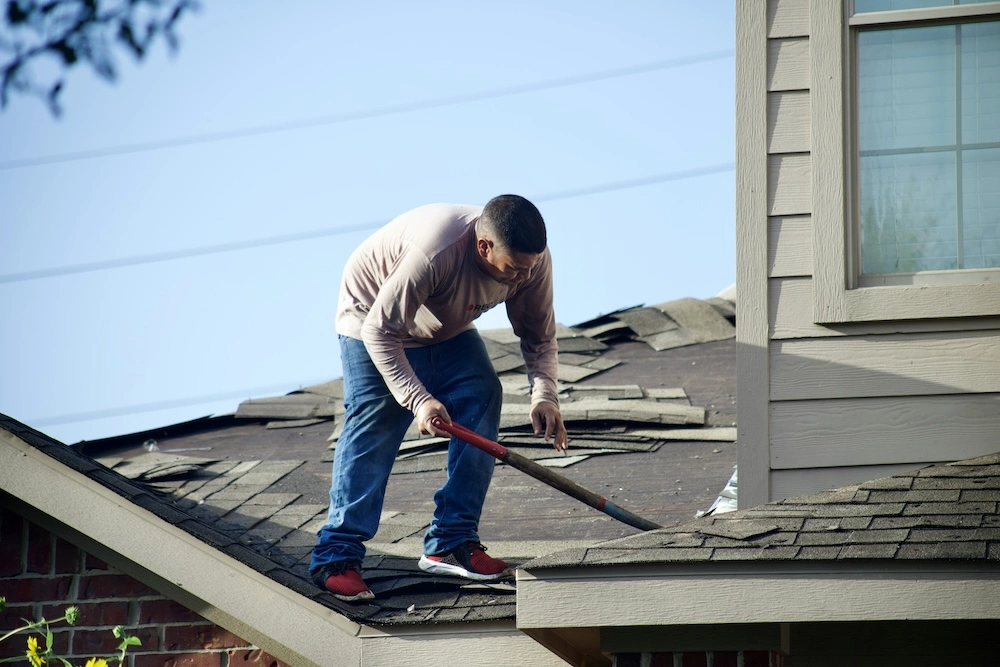
Roof cleaning and inspection can be dangerous. Walking on a roof creates fall risks, especially on steep slopes, wet shingles, or algae-covered surfaces. In addition to personal safety concerns, foot traffic can also damage shingles.
Homeowners should avoid climbing onto the roof to scrub stains, inspect damage, or apply cleaning products. This is especially important when the roof is wet, hot, steep, or covered with algae.
A professional roofer has the equipment, training, and experience to evaluate the roof safely. They can also identify whether the staining is isolated algae or whether repairs are needed.
If you are unsure whether the streaks are harmless or concerning, start with a professional inspection rather than a DIY cleaning project.
Gutters Can Contribute to Moisture Problems
Gutters play a major role in how water moves off the roof. When gutters are clogged with leaves, pine needles, grit, or debris, water may back up near the roof edge. This can keep areas damp and contribute to moisture-related wear.
Overflowing gutters can also damage fascia, soffits, siding, landscaping, and foundations. If algae streaks are paired with gutter overflow or roof-edge staining, drainage may be part of the problem.
In Raleigh’s humid climate, wet debris sitting in gutters can make moisture issues worse. Regular gutter cleaning and proper gutter installation can help keep water moving away from the home.
If your gutters are old, undersized, damaged, or constantly overflowing, Raleigh Roofer’s gutter installation service can help improve drainage and protect the roofline.
Attic Ventilation Can Affect Roof Moisture
Algae grows on the outside of the roof, but moisture issues can also come from underneath. Poor attic ventilation can trap warm, humid air inside the attic. This can affect roof decking, insulation, indoor comfort, and the underside of the roofing system.
When ventilation is poor, the roof may experience stress from both sides: humidity and heat outside, trapped heat and moisture inside. Over time, this can contribute to shingle wear, moisture damage, and reduced roof performance.
Signs of poor attic ventilation may include hot upstairs rooms, musty attic smells, damp insulation, high energy bills, and premature shingle aging.
If algae streaks are one of several moisture-related symptoms, ventilation should be part of the roof evaluation. Raleigh Roofer’s article on the benefits of energy-efficient roof installation in Raleigh explains how roofing, attic conditions, and home comfort can work together.
Algae-Resistant Shingles May Help
If you are replacing your roof, algae-resistant shingles may be worth discussing with your roofer. Some asphalt shingles are designed with algae-resistant technology to help reduce staining. These shingles may not prevent every streak forever, but they can help slow algae growth and keep the roof looking cleaner longer.
This can be especially useful in humid climates like Raleigh, where algae staining is common. The right shingle choice can affect roof appearance, maintenance needs, and long-term performance.
If your roof is already near the end of its lifespan and heavily stained, it may be worth comparing repair, cleaning, and replacement options. Raleigh Roofer’s roof replacement service can help homeowners understand when replacement may be the better long-term investment.
Regular Roof Checks Help Catch Problems Early
Because algae streaks can be cosmetic or connected to larger issues, regular roof checks are important. Homeowners should not wait until water is dripping into the house to pay attention to the roof.
A roof inspection can identify stains, shingle wear, flashing problems, gutter concerns, ventilation issues, soft spots, storm damage, and early leak risks. This is especially valuable in Raleigh, where humidity, trees, storms, and heat can all affect roof condition.
Raleigh Roofer’s article on the importance of regular roof inspections in Raleigh explains why routine inspections help homeowners stay ahead of damage.
Regular inspections do not just protect the roof. They also help homeowners make better decisions about cleaning, repair, maintenance, and eventual replacement.
Commercial Roofs Can Have Staining and Moisture Issues Too
Algae streaks are most noticeable on residential shingle roofs, but commercial roofs can also experience moisture-related staining, ponding water, organic growth, and drainage problems.
Flat and low-slope commercial roofs are especially vulnerable to standing water and slow drying. If drains are clogged or the roof surface is worn, moisture can linger and increase the risk of leaks or membrane deterioration.
Business owners and property managers should take roof staining, ponding, or recurring leaks seriously. Raleigh Roofer provides commercial roofing services for businesses that need inspections, maintenance, repairs, or replacement planning.
Final Thoughts
Algae streaks are common on Raleigh roofs because the local climate creates ideal conditions for moisture-related growth. Humidity, shade, tree coverage, rain, and slow-drying roof surfaces can all contribute to dark streaks on asphalt shingles.
In many cases, algae is mostly a curb appeal issue. It can make the roof look older and less maintained than it really is. However, stains should not be ignored when they appear alongside missing shingles, granule loss, moss, leaks, soft spots, clogged gutters, or attic moisture.
Roof cleaning should be handled carefully, and homeowners should avoid pressure washing or climbing on the roof themselves. A professional inspection can help determine whether the staining is cosmetic, whether safe cleaning is appropriate, or whether roof repair is needed.
For Raleigh homeowners, regular roof checks are the best way to stay ahead of algae, humidity-related wear, and hidden moisture problems. With the right maintenance and timely repairs, you can protect your roof, preserve curb appeal, and avoid letting a cosmetic issue turn into a more expensive roofing concern.