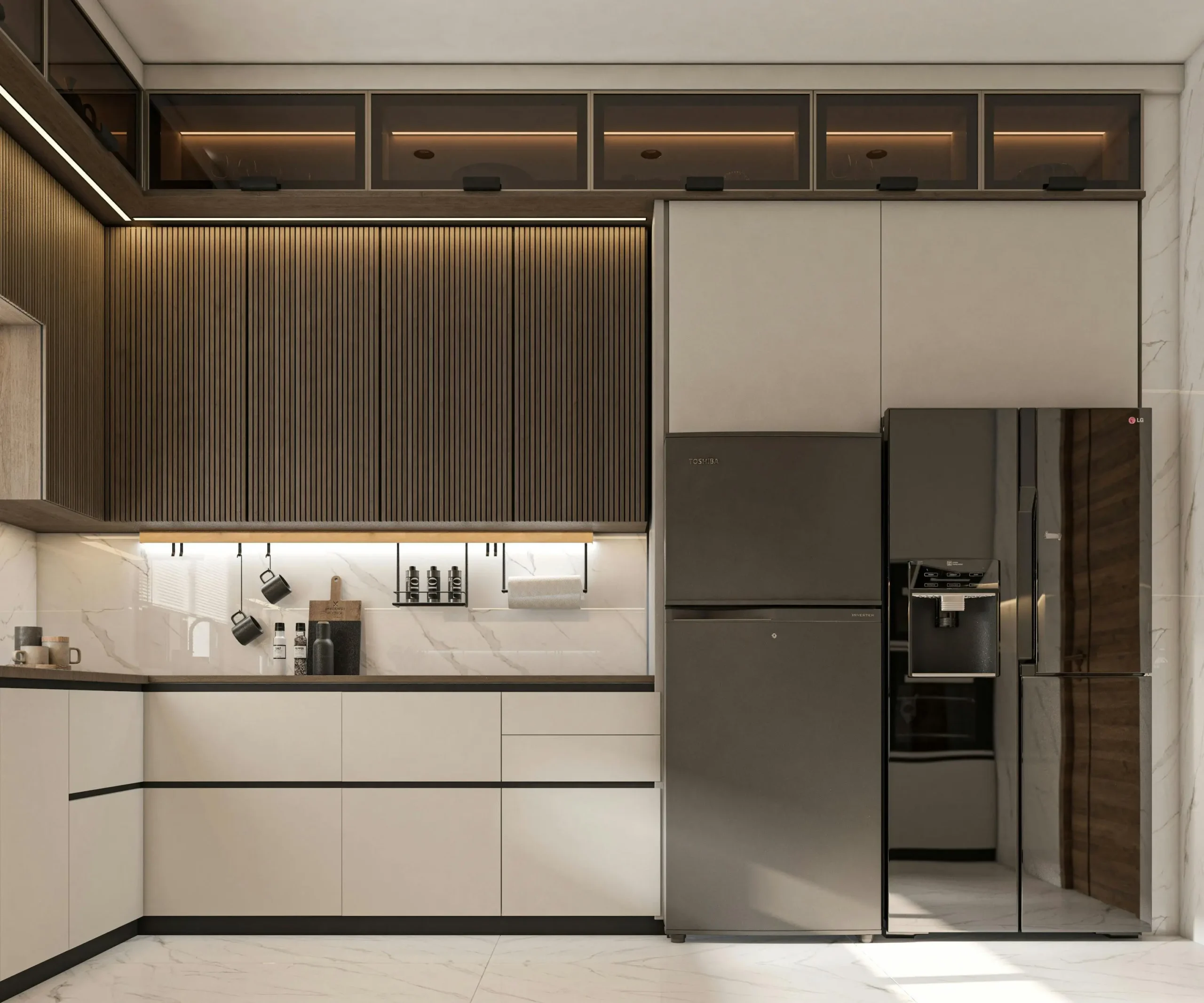
Countertops play a major role in how a kitchen looks, feels, and functions every day. They are where meals are prepped, groceries are unloaded, homework gets finished, coffee is made, and guests tend to gather. For a busy kitchen, the right countertop material needs to do more than look good. It needs to hold up to daily use, clean easily, fit the home’s style, and work with the homeowner’s budget.
Two of the most popular countertop options are quartz and granite. Both can be beautiful, durable, and valuable choices for a kitchen remodel, but they are not the same. Quartz is an engineered surface made with natural quartz particles and resins, while granite is a natural stone cut from slabs. The difference affects maintenance, appearance, durability, stain resistance, heat resistance, and long-term care.
For Raleigh homeowners planning a kitchen remodeling project, choosing between quartz and granite often comes down to lifestyle. A kitchen used by a busy family may need a different surface than a kitchen designed mostly for entertaining or occasional cooking. Here is what to know before making the decision.
What Is Quartz?
Quartz countertops are engineered surfaces made from crushed natural quartz mixed with resins, pigments, and other materials. Because quartz is manufactured, it can be created in many colors and patterns. Some quartz countertops are designed to look like marble, granite, concrete, or other natural stones, while others have a more consistent modern appearance.
One of the biggest reasons homeowners choose quartz is its low-maintenance nature. Quartz is nonporous, which means it does not absorb liquids the same way some natural stones can. This makes it resistant to many common kitchen stains from coffee, wine, oil, juice, sauces, and everyday spills.
Quartz is also known for consistency. If you want a countertop with a predictable color, even pattern, or clean modern look, quartz may be appealing. Since the material is engineered, homeowners can often select a slab that closely matches the design they saw in the showroom.
For busy kitchens, quartz is popular because it combines style with easy cleaning and reliable everyday performance.
What Is Granite?
Granite is a natural stone that is quarried from the earth, cut into slabs, polished, and installed as a countertop surface. Each slab of granite is unique, with natural variations in color, veining, speckling, and movement. No two pieces are exactly the same.
Homeowners often choose granite because of its natural beauty. It can add depth, character, and a high-end feel to a kitchen. Granite works well in many styles, from traditional and warm to bold and dramatic. Some slabs have subtle patterns, while others have striking movement that becomes a focal point in the room.
Granite is also durable, but it is porous compared to quartz. That means it usually needs to be sealed to help resist stains. When properly sealed and maintained, granite can perform very well in a busy kitchen. However, homeowners should be prepared for a little more upkeep than quartz typically requires.
If you love the look of natural stone and do not mind occasional maintenance, granite can be a strong option.
Appearance: Consistent vs. Natural Variation
One of the biggest differences between quartz and granite is appearance. Quartz offers more control and consistency. If you want countertops that look clean, uniform, and predictable, quartz may be the better fit. It is often chosen for modern kitchens, transitional designs, and spaces where homeowners want a specific color palette.
Quartz can also mimic the look of marble without the same level of maintenance. This makes it popular for homeowners who want soft veining, bright white surfaces, or a polished designer look.
Granite, on the other hand, offers natural variation. Some homeowners love that every slab is unique. The movement, mineral patterns, and color shifts can make the kitchen feel more custom. Granite can be especially appealing if you want the countertop to be a natural focal point rather than a subtle background surface.
The choice depends on your style preference. If you want predictable and streamlined, quartz may be better. If you want natural character and one-of-a-kind movement, granite may be the better choice.
Maintenance: Which Is Easier?
For a busy kitchen, maintenance matters. Between cooking, spills, kids, pets, guests, and everyday messes, homeowners often want a countertop that does not require constant attention.
Quartz is generally easier to maintain because it does not need sealing. Most spills can be wiped up with mild soap and water. Since quartz is nonporous, it is less likely to absorb liquids or harbor stains when cleaned promptly.
Granite usually requires sealing to maintain stain resistance. The frequency depends on the stone, the sealer, and how heavily the kitchen is used. Some granite surfaces may need resealing more often than others. Homeowners should also be mindful of spills, especially oil, wine, coffee, and acidic liquids.
This does not mean granite is difficult to care for, but it does require more awareness. For homeowners who want the lowest-maintenance option, quartz often has the advantage.
Durability for Daily Use
Both quartz and granite are durable countertop materials, but they handle daily use differently. Quartz is hard, strong, and resistant to many common types of wear. It is a good choice for kitchens where countertops are used constantly for meal prep, school lunches, entertaining, and everyday family routines.
Granite is also very strong and can last for many years when properly installed and maintained. Because it is natural stone, it can handle heavy use well. However, certain granite slabs may be more porous than others, and edges can chip if hit hard enough.
Neither material is indestructible. Cutting directly on the countertop is not recommended for either option. It can dull knives and may damage the surface. Using cutting boards, trivets, and common-sense care will help either countertop last longer.
For everyday durability with less maintenance, quartz is often the more convenient choice. For natural strength and timeless character, granite remains a dependable option.
Heat Resistance
Heat resistance is an area where granite often has an advantage. Because granite is natural stone, it generally handles heat better than quartz. A hot pan is less likely to damage granite than quartz, although using trivets is still recommended to protect the finish and avoid thermal shock.
Quartz contains resins that can be affected by high heat. Placing hot pots, pans, or baking sheets directly on quartz can cause discoloration, warping, or damage. For busy cooks, this means quartz requires a habit of using trivets or heat pads every time.
If your kitchen sees a lot of cooking, baking, and hot cookware, granite may be more forgiving. However, many quartz homeowners do just fine by using basic protection and avoiding direct heat exposure.
Stain Resistance
Quartz typically performs better when it comes to stain resistance because it is nonporous. Spills from coffee, wine, tomato sauce, oils, and juice are less likely to soak into the surface when cleaned up promptly. This makes quartz especially appealing for families, frequent cooks, and homeowners who do not want to worry about sealing.
Granite can also resist stains when sealed correctly, but the protection depends on the stone and maintenance. If granite is not sealed or if the sealer wears down, liquids may absorb into the stone and leave marks.
For homeowners who want a countertop that can handle everyday spills with less concern, quartz is usually the easier choice. For homeowners who love granite’s natural look, sealing and prompt cleanup can help keep the surface in good condition.
Cost Considerations
Quartz and granite can both vary widely in price. The final cost depends on the slab, color, thickness, edge profile, installation complexity, sink cutouts, backsplash details, and overall kitchen layout.
Some granite options may be more affordable than quartz, while rare or exotic granite slabs can be more expensive. Quartz also ranges in price depending on brand, pattern, and design. High-end quartz that mimics marble or has dramatic veining can cost more than basic granite.
Homeowners should avoid choosing based on material price alone. Countertops are part of the larger kitchen design. Cabinets, layout, lighting, backsplash, flooring, and appliances all affect the final result. A countertop that looks beautiful but does not fit the way you use the kitchen may not be the best investment.
During a remodel, it helps to compare options based on total installed cost, maintenance, durability, and long-term satisfaction.
Which Is Better for a Busy Family Kitchen?
For many busy family kitchens, quartz is often the more practical choice. It is low-maintenance, stain-resistant, easy to clean, and available in many styles. It works well for homeowners who want a polished look without sealing or extra upkeep.
Quartz is especially helpful in kitchens where spills happen often, meals are prepared daily, and the countertops need to stay easy to manage. If you want a surface that looks clean and consistent while handling a lot of activity, quartz is a strong option.
Granite may be better for homeowners who love natural stone, want unique slab movement, cook frequently with hot pans, and do not mind sealing the surface as needed. It can bring warmth, depth, and character to a kitchen in a way engineered materials may not fully replicate.
The best countertop is the one that fits your lifestyle, not just the one that looks best in a showroom.
Design Tips for Choosing Between Quartz and Granite
Before choosing, bring samples into your kitchen if possible. Look at them next to cabinet colors, flooring, backsplash ideas, wall color, and natural light. A countertop that looks bright in a showroom may look different in your home.
Think about how much visual movement you want. If your cabinets, backsplash, or flooring already have strong patterns, a calmer countertop may be better. If the rest of the kitchen is simple, a dramatic granite or bold quartz pattern may add interest.
Also consider the edge style. A simple eased edge can feel clean and modern. More decorative edges may work better in traditional kitchens. The countertop should support the overall design rather than compete with every other finish.
Final Thoughts
Quartz and granite are both strong countertop options, but they serve different priorities. Quartz is engineered, consistent, nonporous, stain-resistant, and easy to maintain. Granite is natural, unique, heat-resistant, and full of character. For a busy kitchen, quartz often wins on convenience, while granite wins on natural beauty and heat tolerance.
For Raleigh homeowners planning a kitchen remodel, the right choice depends on how you cook, clean, entertain, and use the space every day. A countertop should look beautiful, but it should also make your kitchen easier to live in.
Raleigh Roofing and Remodeling can help homeowners compare countertop options, plan kitchen layouts, and create a remodeling design that balances beauty, function, and long-term value.