Raleigh summers are known for heat, heavy humidity, afternoon storms, and long stretches of moisture in the air. While most homeowners think about humidity in terms of comfort inside the home, it can also affect the roof over time. Your roof is constantly exposed to moisture, heat, sunlight, shaded areas, rain, wind, and changing temperatures. In a humid climate, those conditions can speed up certain roofing problems if the roof is not maintained properly.
Humidity does not usually destroy a roof overnight. Instead, it creates an environment where moisture-related issues can develop slowly. Algae can grow more easily. Shingles may stay damp longer. Attic ventilation problems can become more noticeable. Roof decking and insulation can be affected if moisture gets trapped. Gutters, valleys, shaded areas, and roof edges may experience more wear if water is not moving away from the home correctly.
For Raleigh homeowners, understanding how summer humidity affects the roof is important because small issues can become bigger problems over time. Regular inspections, proper ventilation, roof maintenance, and timely repairs can help protect the home before damage spreads.
Here is what to know about Raleigh’s humid climate and how it can affect your roof.
Humidity Keeps Roofing Materials Damp Longer
Humidity means there is more moisture in the air. During Raleigh summers, the air can feel heavy, sticky, and damp even when it is not raining. That moisture can affect how quickly roofing materials dry after storms, morning dew, or periods of shade.
A roof that dries quickly is less likely to develop moisture-related problems. But when humidity is high, certain areas may stay damp longer, especially if they are shaded by trees, blocked by debris, or poorly ventilated.
This matters because repeated moisture exposure can wear down roofing materials over time. Shingles, flashing, underlayment, decking, gutters, and roof penetrations all perform better when water is directed away from the home and the roof has a chance to dry properly.
If you notice that parts of your roof stay dark, damp, stained, or covered in debris long after rain, it may be worth scheduling a professional inspection. Raleigh Roofer’s roof inspection service can help identify early signs of moisture-related wear before the problem becomes more serious.
Humidity Can Encourage Algae Growth
One of the most visible signs of moisture on a roof is algae staining. Many Raleigh homeowners notice dark streaks or black discoloration on their shingles, especially on shaded sections of the roof. This is often caused by algae growth, which is more common in humid climates.
Algae does not always mean the roof is failing, but it can affect curb appeal and may contribute to surface wear if ignored for long periods. Staining is especially common on roof slopes that receive less direct sunlight or are shaded by trees. Moisture lingers longer in those areas, creating better conditions for algae to spread.
Some homeowners try to remove roof stains themselves, but aggressive cleaning can cause more harm than good. Pressure washing asphalt shingles can strip away protective granules and shorten the life of the roof. If algae streaks are widespread, it is better to ask a roofing professional about safe cleaning and maintenance options.
Because Raleigh’s humid climate makes algae more likely, roof maintenance should include checking for discoloration, moss, organic growth, and shaded areas that stay damp.
Moisture Can Contribute to Shingle Wear
Asphalt shingles are designed to handle rain, sun, wind, and normal weather exposure. However, when moisture lingers on the surface or gets beneath the shingles, wear can accelerate.
Humidity itself may not cause shingles to fail immediately, but it can contribute to conditions that shorten their lifespan. Damp areas, poor drainage, trapped debris, algae growth, and attic ventilation problems can all affect how shingles age.
Over time, shingles may begin to curl, crack, loosen, lose granules, or become more vulnerable to leaks. Heat and humidity together can be especially tough because the roof is exposed to intense summer sun during the day and moisture-heavy air during the morning, evening, and after storms.
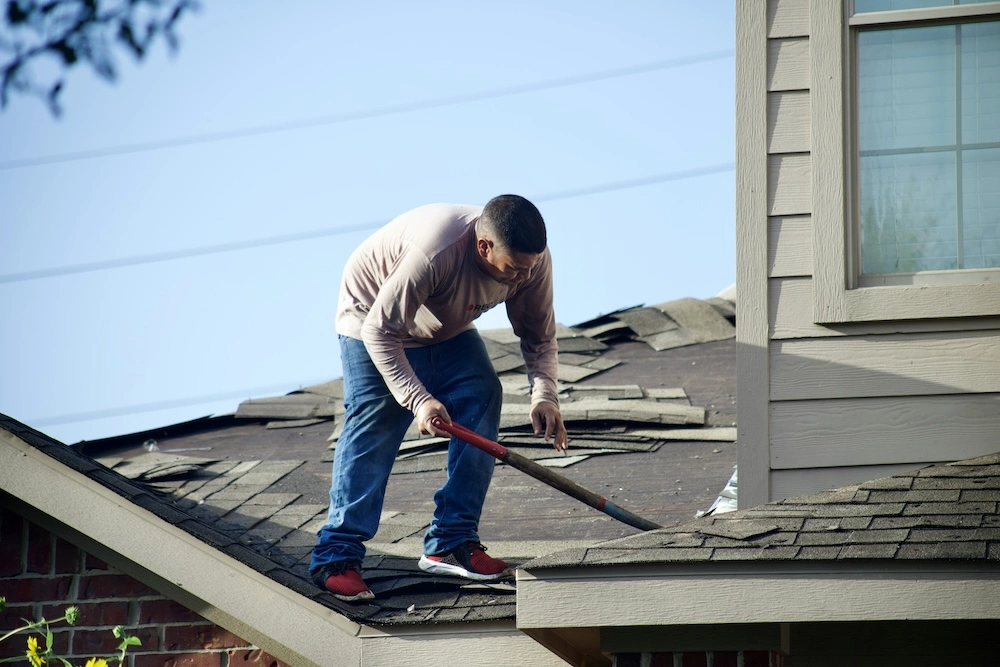
If your roof already has missing shingles, lifted edges, worn granules, or other signs of damage, Raleigh humidity can make those weak points more vulnerable. Homeowners dealing with active damage should consider timely roof repair instead of waiting for the next storm to reveal a larger issue.
Attic Ventilation Becomes Even More Important
A roof is not only affected from the outside. It is also affected by what happens underneath it. In humid climates, attic ventilation is especially important because it helps manage heat and moisture inside the attic space.
Poor attic ventilation can allow hot, moist air to become trapped. During Raleigh summers, attic temperatures can rise significantly. If humidity is also trapped, the attic may become more vulnerable to condensation, musty odors, damp insulation, wood deterioration, and reduced roof performance.
Proper ventilation helps air move through the attic, which can reduce heat buildup and help control moisture. When ventilation is inadequate, the roof system may age faster from the underside. Shingles can be exposed to extra heat, insulation may lose effectiveness, and the home may feel harder to cool.
If upstairs rooms feel unusually hot, your air conditioner runs constantly, or your attic has a musty smell, ventilation should be evaluated. Raleigh Roofer’s article on the benefits of energy-efficient roof installation in Raleigh can help homeowners understand how roofing, ventilation, and energy performance are connected.
Humidity Can Affect Roof Decking
Roof decking is the layer beneath your shingles or roofing material. It provides structural support and helps form the base of the roof system. When moisture reaches the decking, it can create serious problems.
In a humid climate, roof decking can be affected by leaks, poor ventilation, trapped condensation, or repeated moisture exposure. Over time, damaged decking may become soft, warped, rotted, or weakened. This is a serious issue because roof decking supports the materials above it.
Homeowners may not notice decking damage right away because it is hidden beneath the roofing surface. Signs may include soft spots, sagging areas, recurring leaks, musty attic odors, or roof sections that feel uneven.
If a roof has been leaking or moisture has been trapped for a long time, roof decking may need to be repaired or replaced. Raleigh Roofer’s guide on why roof decking replacement is sometimes necessary explains why hidden moisture damage can affect the larger roof system.
Humidity Can Make Small Roof Leaks Worse
A small roof leak should never be ignored, especially in a humid climate. Moisture already lingers in the air, and a roof leak adds direct water intrusion into the system.
Once water gets inside, it can affect insulation, drywall, decking, rafters, ceilings, and interior finishes. In humid conditions, damp materials may dry more slowly, increasing the risk of musty odors and mold-related concerns.
Small leaks may also be harder to notice during dry stretches. A homeowner may see a stain after one storm, then assume the problem stopped when the weather clears. But the same weak point may allow water in again during the next heavy rain.
In Raleigh, where summer storms can arrive quickly, it is important to repair leaks before they spread. If you notice water stains, damp attic insulation, bubbling paint, or musty smells, Raleigh Roofer’s roof leak repair resources can help you understand why timing matters before the next rainstorm.
Valleys and Low Areas Are More Vulnerable
Roof valleys are areas where two roof slopes meet. They naturally channel water toward the gutters. Because valleys handle a large amount of runoff, they are especially vulnerable to moisture problems if they are damaged, clogged, poorly installed, or filled with debris.
In humid weather, leaves, pine needles, branches, and organic debris can hold moisture in valleys longer. This can contribute to shingle wear, flashing problems, algae growth, and leaks. If water is not moving properly through the valley, it may back up under roofing materials.
Low-slope areas and flat roof sections can also be more vulnerable because water does not run off as quickly. Ponding water, clogged drains, seam issues, and worn coatings can create problems over time.
Raleigh Roofer has a full guide on why roof valleys are the most vulnerable, which is especially relevant for homeowners dealing with moisture-heavy weather and recurring leak concerns.
Tree Coverage Can Increase Moisture Problems
Trees are common in many Raleigh neighborhoods, and they can provide valuable shade during hot summers. However, heavy tree coverage can also create roofing challenges.
Branches may shade the roof and slow drying after rain. Leaves and debris can collect in gutters and valleys. Overhanging limbs may scrape shingles during wind. Organic debris can trap moisture and encourage algae or moss growth.
Homes in shaded neighborhoods may need more frequent roof checks because certain areas of the roof may stay damp longer than homes with full sun exposure. This does not mean trees are bad, but they do require maintenance.
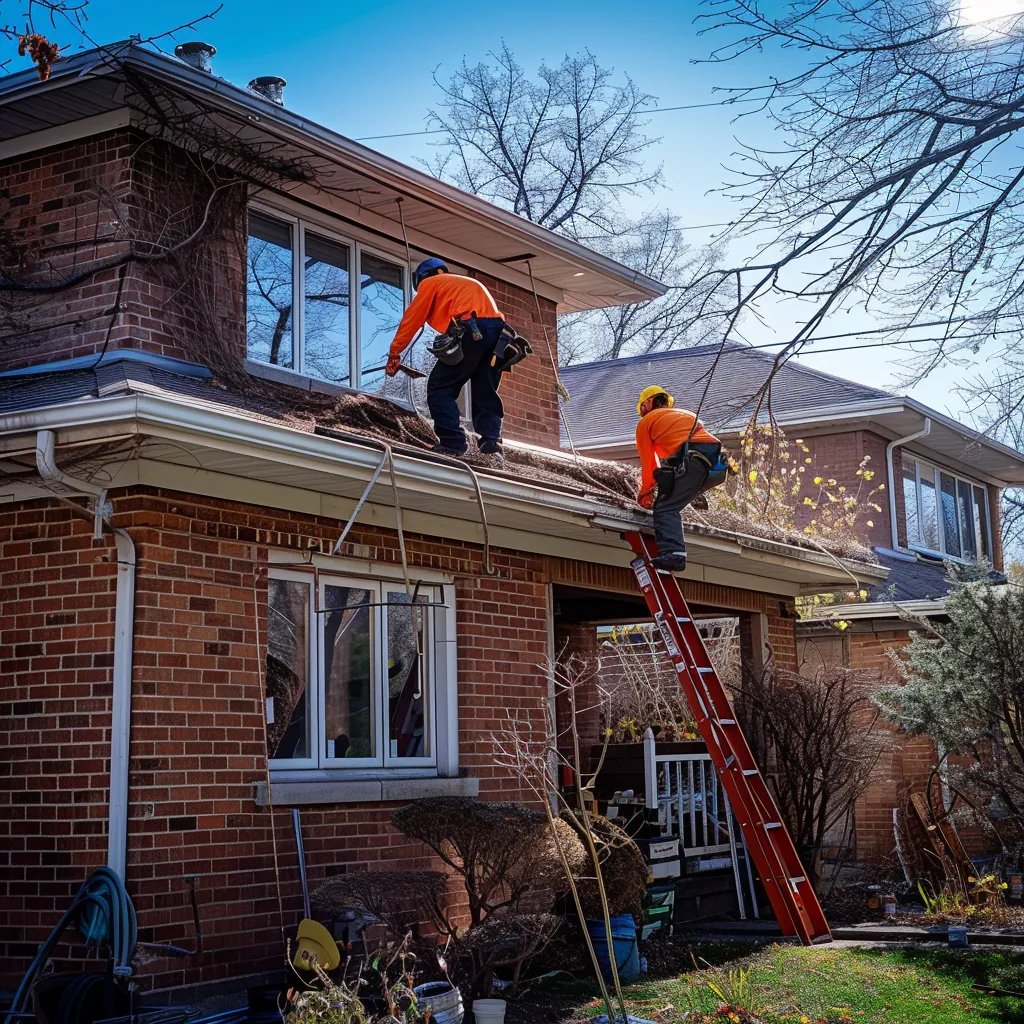
Homeowners should keep branches trimmed away from the roof when possible, clear debris from gutters, and watch for dark staining or moss in shaded areas. If roof damage occurs after wind or falling branches, schedule an inspection rather than assuming the roof is fine from the ground.
Gutters Play a Major Role in Moisture Control
Gutters are part of the larger roof drainage system. When they work properly, they move water away from the roof edge, fascia, siding, foundation, and landscaping. When they are clogged, damaged, or improperly pitched, water can back up and create problems near the roofline.
In humid Raleigh summers, clogged gutters can hold wet leaves, debris, and standing water. This can contribute to fascia damage, soffit problems, roof edge deterioration, and even interior leaks if water backs up under roofing materials.
If your gutters overflow during rain or you see staining near the roof edge, the issue should be addressed quickly. Raleigh Roofer provides gutter installation services that can help homeowners improve drainage and protect the roofline.
A roof does not shed water effectively if the gutter system is not doing its job.
Commercial Roofs Face Humidity Challenges Too
Humidity does not only affect residential roofs. Commercial properties in Raleigh also deal with moisture-related roof problems, especially buildings with flat or low-slope roofing systems.
Commercial roofs may experience ponding water, membrane wear, seam separation, clogged drains, surface deterioration, and moisture intrusion. In humid conditions, these issues can worsen if they are not inspected and maintained regularly.
Business owners and property managers should pay close attention to recurring leaks, interior stains, drainage problems, blistering, roof surface wear, and rising energy costs. Regular maintenance can help identify problems before they disrupt operations or damage the building.
Raleigh Roofer offers commercial roofing services for businesses that need inspections, repairs, replacement, or maintenance support.
Regular Roof Checks Matter in Humid Climates
Because humidity can contribute to hidden roof problems, regular inspections are important. Homeowners should not wait until water is dripping into the house. By that point, the issue may already involve decking, insulation, drywall, flashing, or attic moisture.
A roof check can identify early signs of wear, such as:
Dark algae streaks
Missing or damaged shingles
Soft spots
Granule loss
Loose flashing
Clogged valleys
Poor drainage
Gutter overflow
Attic moisture
Musty odors
Damp insulation
Ventilation problems
Roof edge damage
Raleigh Roofer’s article on the importance of regular roof inspections in Raleigh explains why routine inspections are especially valuable in a climate with storms, humidity, and seasonal weather changes.
Regular checks help homeowners catch small problems before they become expensive repairs.
When Humidity-Related Damage Means Replacement
Not every humidity-related issue means the roof needs to be replaced. Many problems can be repaired if caught early. However, replacement may be necessary if the roof has widespread shingle deterioration, recurring leaks, soft decking, poor ventilation damage, major moisture intrusion, or age-related wear.
If the roof is near the end of its lifespan, repeated repairs may not be the best investment. A professional roofer can evaluate whether repair or replacement makes more sense based on the roof’s condition, age, material, and damage level.
For homeowners weighing that decision, Raleigh Roofer’s roof replacement service page can help explain what replacement involves and when it may be the better long-term choice.
Final Thoughts
Raleigh’s summer humidity can affect your roof in several ways. Moisture-heavy air can keep roofing materials damp longer, encourage algae growth, worsen small leaks, contribute to shingle wear, affect attic ventilation, and increase the risk of hidden moisture damage.
Humidity is not something homeowners can control, but roof maintenance is. Regular inspections, proper ventilation, clear gutters, safe algae management, timely leak repair, and attention to shaded areas can all help protect the roof over time.
If your roof has dark streaks, missing shingles, musty attic smells, clogged gutters, damp insulation, recurring leaks, or signs of moisture damage, do not wait for the problem to spread. A professional inspection can help identify what is happening and what needs to be repaired.
In a humid climate like Raleigh, staying proactive is one of the best ways to protect your home, extend the life of your roof, and avoid expensive roofing problems later.