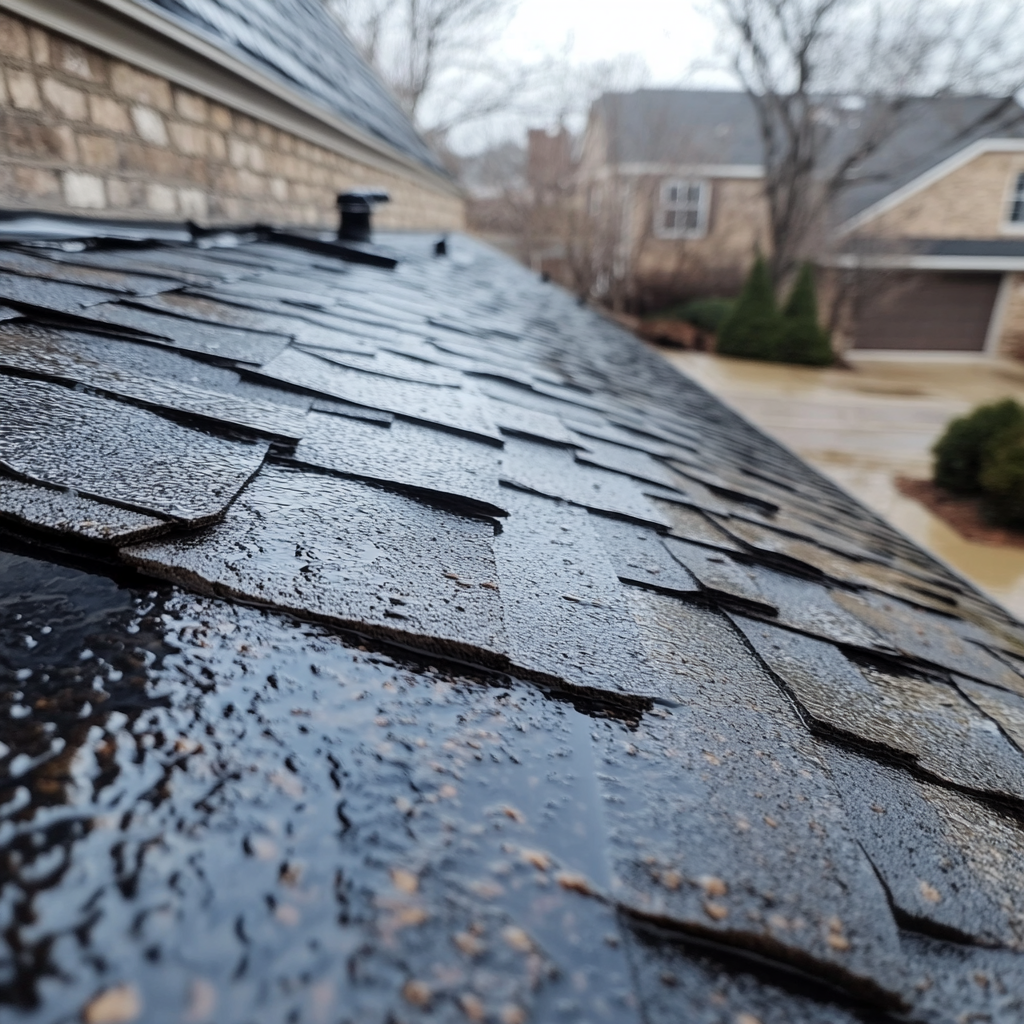
When homeowners think about roof problems, they usually picture missing shingles, storm damage, clogged gutters, or an obvious leak. But one of the most important parts of a roof is also one of the easiest to overlook: roof flashing.
Roof flashing is the material installed around vulnerable areas of the roof to help direct water away from openings, transitions, and joints. It is commonly found around chimneys, walls, skylights, vents, dormers, valleys, and other places where the roof surface meets another feature. When flashing is installed correctly and kept in good condition, it helps prevent water from entering the home. When it fails, even a roof with good shingles can develop leaks.
For Raleigh homeowners, flashing is especially important because local roofs deal with heavy rain, wind-driven storms, humidity, falling debris, and seasonal weather changes. A flashing problem may not be obvious from the ground, but it can lead to water stains, attic moisture, damaged wood, mold concerns, and interior repairs if ignored.
If you are noticing signs of water intrusion or want to understand how your roof protects your home, here is what roof flashing does and how to know when it may be failing.
What Is Roof Flashing?
Roof flashing is usually made from thin pieces of metal that are shaped and installed to move water away from sensitive areas of the roof. Common flashing materials include aluminum, galvanized steel, copper, and other weather-resistant metals. The exact material and installation method can depend on the roof design, roofing material, and location of the flashing.
Flashing is not installed across the entire roof surface. Instead, it is placed where water is most likely to enter. These are areas where shingles alone are not enough because the roof changes direction, meets a vertical surface, or has something passing through it.
For example, a chimney creates a break in the roof. Without flashing, rainwater could run down the chimney sides and seep into the gap where the chimney meets the roof. Flashing helps redirect that water so it flows onto the shingles and into the gutter system instead of into the home.
In simple terms, shingles shed water across broad roof surfaces. Flashing protects the details.
Where Is Roof Flashing Used?
Roof flashing may be used in several areas of a home’s roofing system. One of the most common locations is around chimneys. Chimney flashing often includes multiple pieces that work together to protect the base of the chimney and the roofline around it.
Flashing is also used where the roof meets a wall. This can happen along second-story walls, dormers, porch roofs, additions, and other roof-to-wall transitions. Step flashing is often installed in these areas to guide water down each shingle course.
Skylights also require careful flashing. Because a skylight interrupts the roof surface, water must be directed around it properly. Poor skylight flashing can lead to leaks that appear around the ceiling opening or nearby drywall.
Plumbing vents, exhaust vents, and other roof penetrations may also have flashing or boots that seal around the opening. Roof valleys, where two slopes meet, may include valley flashing or extra underlayment protection because they handle a large amount of water during rain.
The more complex a roof is, the more important flashing becomes. Dormers, multiple rooflines, steep slopes, additions, and intersecting surfaces all create areas where flashing must be installed correctly.
Why Flashing Matters So Much
Water follows the path of least resistance. Even a small gap, lifted edge, cracked seal, or loose flashing piece can allow water to enter during the right conditions. This is especially true during heavy rain or wind-driven storms.
Flashing matters because many roof leaks start at transitions rather than in the middle of an open shingle field. A roof may have shingles that still look fine, but if flashing around a chimney or wall is failing, water can still get inside.
This is one reason homeowners should not assume that every roof leak means the entire roof has failed. Sometimes, the issue is isolated to a flashing detail that can be repaired. Other times, flashing failure may be part of a larger aging roof system.
A professional roof inspection can help determine whether a leak is related to flashing, shingles, gutters, roof penetrations, or another issue.
Common Types of Roof Flashing
Different parts of the roof require different types of flashing. Step flashing is commonly used where a roof meets a vertical wall. It is installed in small overlapping pieces that step up with each row of shingles. This helps direct water down and away from the wall.
Counter flashing is often used with chimneys or masonry walls. It is installed into or against the vertical surface and overlaps other flashing pieces to keep water from getting behind them.
Base flashing is used at the base of vertical surfaces, such as chimneys or walls. It helps create the first layer of water protection at the transition.
Valley flashing may be used in roof valleys to help carry water down the roof. Valleys handle heavy water flow, so the materials and installation details matter.
Drip edge is a type of flashing installed along roof edges. It helps direct water away from the fascia and into the gutters. While homeowners may not always think of drip edge as flashing, it plays an important role in protecting the roof edge.
Pipe flashing or vent boots are used around plumbing vents and other round roof penetrations. These may include rubber components that can crack or wear out over time.
Each type of flashing has a specific purpose. Problems often happen when the wrong flashing is used, flashing is installed poorly, or older flashing is reused when it should have been replaced.
How Roof Flashing Fails
Roof flashing can fail for several reasons. Age is one of the most common. Over time, metal can corrode, sealants can dry out, rubber components can crack, and fasteners can loosen. Even durable materials can shift or wear after years of weather exposure.
Poor installation is another major cause. Flashing must be layered correctly so water flows over the materials, not behind them. If flashing is nailed in the wrong location, sealed with too much caulk instead of properly integrated, or installed without the right overlap, leaks may develop.
Storms can also damage flashing. High winds, falling branches, hail, and flying debris may bend, loosen, or puncture flashing. Heavy rain can expose weaknesses that were not noticeable during normal weather.
Roof movement can create problems too. Homes expand and contract with temperature and humidity changes. Over time, this movement may affect flashing around chimneys, walls, and other transitions.
Previous repairs can also contribute to flashing failure. If a leak was patched with roofing cement or caulk instead of being properly repaired, the temporary fix may crack, shrink, or fail later.
Signs Your Roof Flashing May Be Failing
Flashing problems are not always easy to see from the ground, but there are warning signs homeowners can watch for. Water stains on ceilings or walls are one of the most common signs. If the stain appears near a chimney, skylight, exterior wall, or upper-floor transition, flashing may be involved.
You may also notice moisture in the attic, especially near roof penetrations or where roof slopes meet walls. Damp insulation, dark staining on wood, musty odors, or visible water trails can all suggest water intrusion.
Outside the home, signs of flashing trouble may include rusted metal, loose flashing pieces, gaps around chimneys, cracked sealant, lifted shingles near a wall, or damaged vent boots. If you can see flashing that appears bent, missing, or separated from the surface it should protect, it should be inspected.
Leaks that only happen during heavy rain or wind-driven storms may also point to flashing. A small flashing gap may not leak during light rain, but it can allow water in when rain is pushed sideways or when water volume increases.
If these signs appear, a professional roof repair assessment can help identify the source before the damage spreads.
Why Flashing Leaks Can Be Hard to Diagnose
Flashing leaks can be difficult because water does not always appear directly below the problem. Water may enter near a chimney, travel along a rafter, soak into insulation, and show up as a ceiling stain several feet away.
This can make DIY diagnosis frustrating. A homeowner may patch the area above the stain, only to find that the leak continues during the next storm. The visible stain is often only the final location where water appears, not the actual entry point.
A roofing professional should inspect the roof exterior, flashing details, attic conditions, and interior signs together. The goal is to trace how water is entering and where it is traveling.
Can Roof Flashing Be Repaired?
In many cases, roof flashing can be repaired or replaced without replacing the entire roof. If the shingles around the area are still in good condition and the problem is isolated, a targeted repair may solve the issue.
For example, a cracked pipe boot, loose step flashing, or damaged chimney flashing may be repairable. The contractor may remove surrounding shingles, replace or reset the flashing, install new materials, and properly seal the area.
However, flashing repair is not always simple. Flashing must be integrated into the surrounding roofing materials. Caulking over a gap may seem like an easy fix, but it is usually not a long-term solution by itself.
If the roof is older, shingles are brittle, or multiple flashing areas are failing, a repair may be less practical. In that case, a roof replacement may provide a better opportunity to rebuild the roof system correctly, including new flashing where needed.
Should Flashing Be Replaced During a Roof Replacement?
In many cases, flashing should be evaluated carefully during a roof replacement. Some flashing may be reusable if it is in excellent condition, but old flashing is often replaced to ensure the new roofing system has proper protection.
This is especially true around chimneys, walls, skylights, valleys, and roof penetrations. Reusing damaged or outdated flashing can undermine the performance of a new roof.
During a new roof installation, the contractor should inspect the roof deck, underlayment, flashing, drip edge, ventilation, and other components. A roof replacement is not just about installing new shingles. It is an opportunity to correct weak points in the full roof system.
What Raleigh Homeowners Should Watch For After Storms
After a strong storm, check your home for signs of flashing problems. Look for new ceiling stains, damp spots near chimneys or skylights, moisture in the attic, loose shingles, damaged vents, or debris on the roof. From the ground, you may be able to see bent metal, lifted materials, or missing pieces around roof transitions.
Do not climb onto the roof during or after a storm. Wet shingles can be slippery, and damaged areas may be unsafe. Instead, document what you can see from the ground and schedule a professional inspection.
Raleigh storms can bring wind-driven rain that tests flashing details. A roof that seems fine during light rain may leak when wind pushes water against walls, chimneys, or vents. If a leak appears after a storm, it should be checked promptly.
Final Thoughts
Roof flashing is one of the most important parts of your roofing system. It protects the areas where shingles alone are not enough, including chimneys, skylights, walls, vents, valleys, roof edges, and other transitions. When flashing is working properly, it helps direct water away from vulnerable areas. When it fails, leaks can develop even if the shingles still look fine.
Signs of failing flashing may include ceiling stains, attic moisture, rusted or loose metal, cracked sealant, damaged vent boots, leaks near chimneys or skylights, and water intrusion during heavy rain.
For Raleigh homeowners, flashing should be taken seriously because local weather can quickly expose weak points in the roof system. Raleigh Roofing and Remodeling can inspect your roof, identify flashing issues, and recommend the right repair or replacement solution to help protect your home from water damage.